




Privacy & Safety Guide
How To Find a GPS Tracker On Your Car and Remove It: A Step-by-Step Guide

Think someone may be tracking your car without your knowledge? You're not alone, and you're not powerless. In a world where location tracking is easier and cheaper than ever, knowing how to find and remove a hidden GPS tracker from your vehicle is more than just smart - it's essential. Whether you're concerned about personal privacy or corporate security, this guide will walk you through the key steps to locate and remove a GPS tracking device from your car.
Key Takeaways
- GPS trackers can be active (real-time) or passive (data loggers).
- Devices may be hidden inside or outside your vehicle.
- Common hiding spots include: bumpers, undercarriage, OBD-II port, dashboard, and 12V socket.
- Tools like GPS tracker detectors or RF scanners can make detection easier.
- Knowing how to find a hidden GPS in your vehicle is crucial for protecting your privacy.
- Seek professional help if you're unsure or want a thorough inspection.
The Rise of GPS Tracking: Why This Matters
First, Understand the Types of GPS Trackers
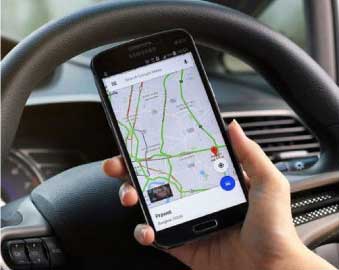
There are two major types of vehicle trackers. GPS tracking devices, including car GPS trackers and car trackers, are commonly used to track vehicles for purposes such as monitoring, theft prevention, and personal safety.
1. Active (Real-Time) GPS Trackers
- Use GPS and cellular networks to transmit your live location; these active trackers provide real-time location data and enable real-time tracking.
- Often used by fleet managers, law enforcement, or stalkers.
- Can be tracked remotely via a mobile app or web dashboard.
- Active trackers emit signals, which can be detected with specialized tools.
2. Passive GPS Trackers
- Log location data but don't transmit in real-time. Passive GPS trackers are also known as GPS data loggers.
- Must be physically retrieved to access tracking history.
- Often used when tracking discreetly without drawing attention.
How To Physically Search Your Car for a GPS Tracker
1. Inspect the Exterior

2. Inspect the Interior

Use a GPS Bug Detector or RF Scanner
If your physical inspection turns up nothing, GPS tracker detectors and GPS detectors are designed for detecting GPS trackers and hidden GPS trackers. These tools can detect radio frequencies emitted by active tracking devices and spy devices. Detecting GPS trackers often involves scanning for radio frequencies and signals from other electronic devices.
These detectors scan for:
- RF (radio frequency) signals
- Cellular communication
- Bluetooth or Wi-Fi transmissions
They can help you find a GPS device, GPS tracking devices, and other tracking devices that may be hidden in your vehicle.
Make sure you're in a quiet electronic environment to avoid false positives. We recommend detectors like the Scout Hidden GPS Detector, available on BrickHouseSecurity.com.
Learn More: Bug Detectors and Sweepers: A Buyer's Guide
How To Safely Remove a GPS Tracker
If you find a tracker:
- Do NOT immediately cut wires or disable the device, especially if you're unsure of its type.
- Take photos of the device and its location.
- If you're certain it was placed without your consent, report it to local authorities.
- For professionally installed or hardwired devices, contact a certified technician.
- Some trackers may be a battery powered GPS tracker or use a rechargeable battery. Handle these devices with care to avoid damage or data loss.
- After removal, store the device safely to preserve evidence and prevent tampering.
When to Call a Professional

Legal & Privacy Considerations
Removing a GPS tracker from your own personal vehicle is typically legal. However, it is important to distinguish between a legitimate tracker - one installed with your consent and proper documentation - and unauthorized or hidden devices. Tracking your own car is generally legal, but it is illegal to track someone else's car without their consent, as this can violate privacy laws and result in legal penalties. Laws regarding who can track vehicles and under what circumstances vary by jurisdiction, so always check local regulations.
- If the car is leased, owned by your employer, or part of a fleet, the tracker may be a legitimate tracker installed for authorized purposes.
- If you suspect illegal surveillance, contact law enforcement before tampering with the device.
FAQs: How To Find a GPS Tracker on Your Car
Can GPS trackers be disguised?
Yes. Some are disguised as:
- USB chargers
- Dash cams
- Bluetooth speakers
- OBD-II tools
Additionally, some GPS trackers are disguised as spy devices to avoid detection.
Do all GPS trackers need cell service to work?
No. Passive trackers don't need cell service; they log data locally for later retrieval.
Is it legal to remove a GPS tracker from my car?
If you own the car, it is generally legal to remove a GPS tracker. However, if the vehicle is leased, rented, or someone else's car, you should check the terms and obtain consent before removing or interfering with any tracking device.
It is legal to track your own car, but tracking someone else's car without their permission is illegal and can result in legal penalties. Only authorized individuals or owners are allowed to track vehicles, so always ensure you comply with relevant laws and privacy regulations.
What does a GPS tracker look like?
Trackers come in various shapes but are usually:
- Small devices (1" to 4") designed for discreet placement
- Box-shaped
- May have antennas, LED lights, or a magnetic mount for secure attachment
Many GPS trackers are portable trackers, allowing easy movement between vehicles, and some are magnetic trackers that use strong magnets to attach to metal surfaces like bumpers or undercarriages. These small devices are built for convenience, flexibility, and concealment.
Can police or private investigators use GPS on my car?
Only with a warrant or legal justification. Law enforcement may use active trackers capable of real-time tracking and providing real-time location data, but only with proper legal authorization. Unauthorized tracking is illegal in most U.S. states.
What tools help find hidden trackers?
- GPS Detector: GPS tracker detectors and GPS detectors are essential tools for detecting GPS trackers. They work by scanning for radio frequencies emitted by active tracking devices, helping you detect radio frequencies emitted by hidden trackers in your vehicle.
- RF Scanner: An RF scanner is used to detect radio frequencies that may indicate the presence of an active GPS tracker or spy device. This is a key method for detecting GPS trackers that are actively transmitting signals.
- Mechanic mirror
- Flashlight
- Basic trim removal tools
Not sure where to start?
Our experts are standing by to help you detect and remove unauthorized trackers - safely and legally.
Visit BrickHouseSecurity.comPosted by Todd Morris on Jan 1st 2025