




GPS Tracker Guide
Best Place to Put a GPS Tracker on Your Car
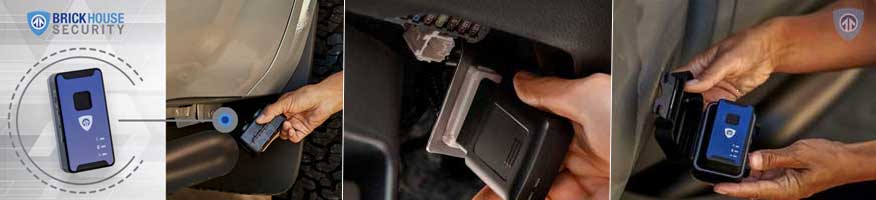
Finding the best spot to install a GPS tracker can significantly impact how well it works. Whether you need a discreet location or a more accessible one, the key is ensuring strong signal reception. This guide covers the optimal placements - both hidden and visible - so you can make a confident, informed choice for your vehicle.
- Types of GPS Trackers: Plug-in, hardwired, and portable options.
- Covert Placement: Under the car, inside the dashboard, in the bumper, or under the passenger seat.
- Visible Placement: On the dashboard, clipped to the sun visor, or attached to the roof.
- Signal first: Always ensure strong GPS satellite and cellular signal reception before finalizing placement.
Understanding GPS Trackers
What is a GPS Tracker?
A GPS tracker is a device that leverages the Global Positioning System (GPS) to monitor and report the real-time location of a vehicle, person, or object. These devices are widely used in vehicle tracking, asset management, and personal safety applications. By providing precise location data, speed, and direction, GPS trackers enable users to keep tabs on their valuable assets and loved ones with ease.
Things to Consider
The most important thing to bear in mind when installing your GPS tracker is signal strength. If it cannot receive an adequate GPS satellite and cellular signal, the device will not work.
Most GPS signals travel through plastic, fiberglass, foam, wood, and glass - but it is best to allow your tracker to have a line of sight to the sky. Places like the roof, dashboard, or windscreen are obvious choices, but whether you want your tracker to be visible or not is the real deciding factor.
Choosing the Right GPS Tracker
Choosing the right GPS tracker ensures effective monitoring and tracking. With various types available, consider these key factors:
- Determine the type of vehicle: Different trackers are designed for specific vehicle types - cars, trucks, motorcycles, or boats. Make sure the tracker you choose is compatible with your vehicle.
- Consider the purpose of tracking: Are you tracking for personal or commercial use? Do you need to monitor driver behavior or just location? Knowing your primary goal will help you choose the right device.
- Evaluate the level of accuracy: GPS trackers vary in accuracy - some offer real-time location updates, others provide more general data. Choose a tracker that meets your requirements.
- Check the battery life: For wireless trackers, consider how long the battery lasts and how easily it can be recharged or replaced. Longer battery life means less frequent maintenance.
- Look for additional features: Some trackers offer geofencing, speed alerts, and driver behavior monitoring - useful extras that add security and vehicle usage insights.
Types of GPS Trackers


Installing a GPS Tracker
Installing a tracker on a car can be a straightforward process, but it is essential to follow the manufacturer's instructions to ensure proper installation and functionality. Here are general installation guidelines for each tracker type.
Hardwired GPS Tracker Installation
Hardwired GPS trackers require a direct connection to the vehicle's electrical system. This type of installation typically requires professional assistance or advanced DIY skills.
- Locate the vehicle's electrical system: Identify the ignition and constant power wires under the dashboard. These wires will provide the necessary power for the GPS tracker.
- Connect the GPS tracker: Connect the GPS tracker to the ignition and constant power wires using the provided wiring harness. Ensure all connections are secure to avoid any power interruptions.
- Secure the GPS tracker: Mount the tracker in a secure location such as under the dashboard or in the trunk. This keeps the device hidden and protected from tampering.
- Test the GPS tracker: Verify the device is receiving a strong GPS signal and transmitting data accurately before finalizing the installation.
Plug-and-Play GPS Tracker Installation
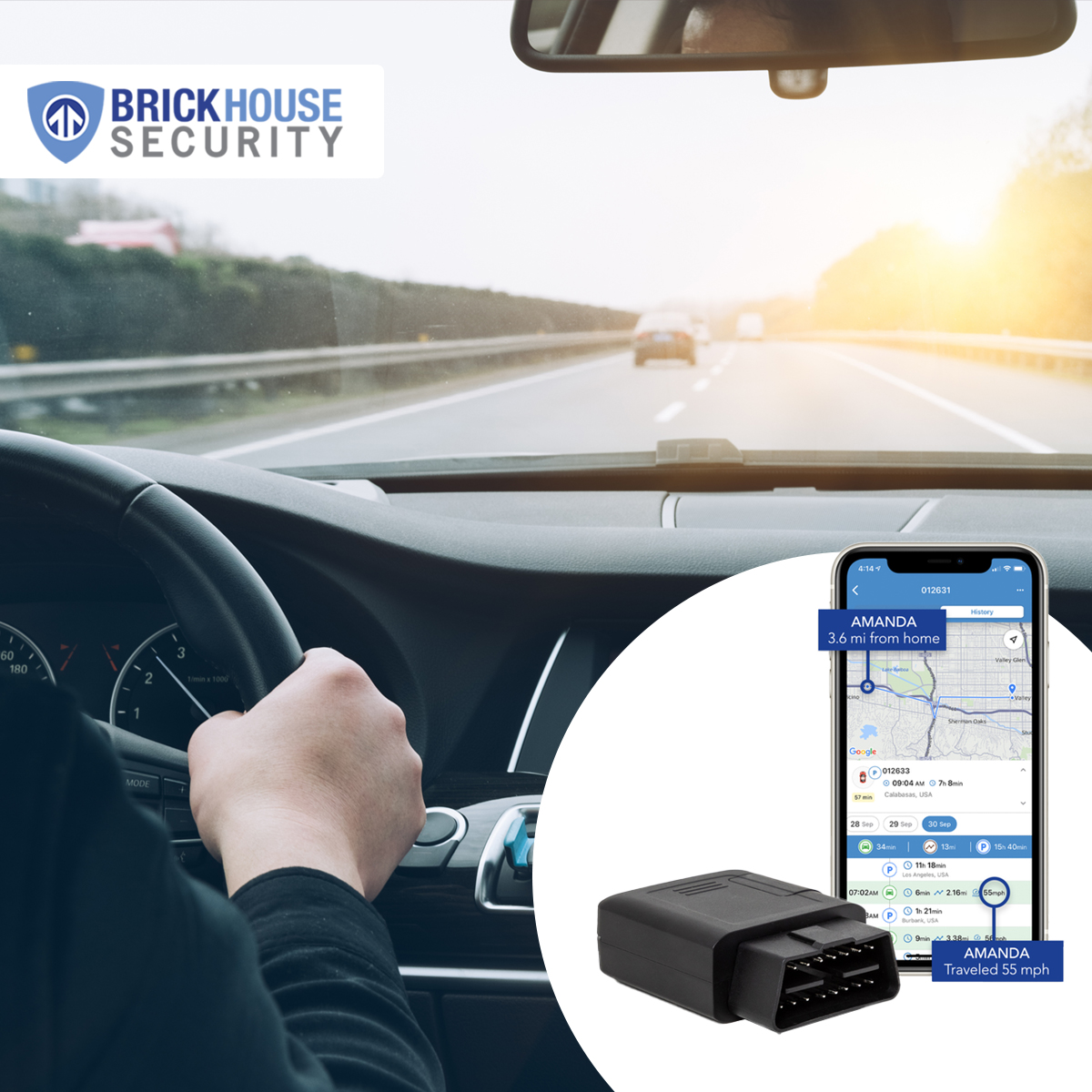
Plug-and-play GPS trackers are designed for easy installation and plug directly into the vehicle's OBD-II port.
- Locate the OBD-II port: Find the OBD-II port under the dashboard or beneath the steering wheel column. It is typically used for vehicle diagnostics and is easily accessible.
- Plug in the GPS tracker: Insert the GPS tracker into the OBD-II port and ensure it is securely connected. The device should fit snugly with no loose connections.
- Activate the GPS tracker: Follow the manufacturer's instructions to activate the device and start transmitting data - usually through a mobile app or website.
Where to Hide a Portable GPS Tracker in a Car
If you are looking for covert placement options, here are the four best locations - each with their own trade-offs on signal strength and concealment.
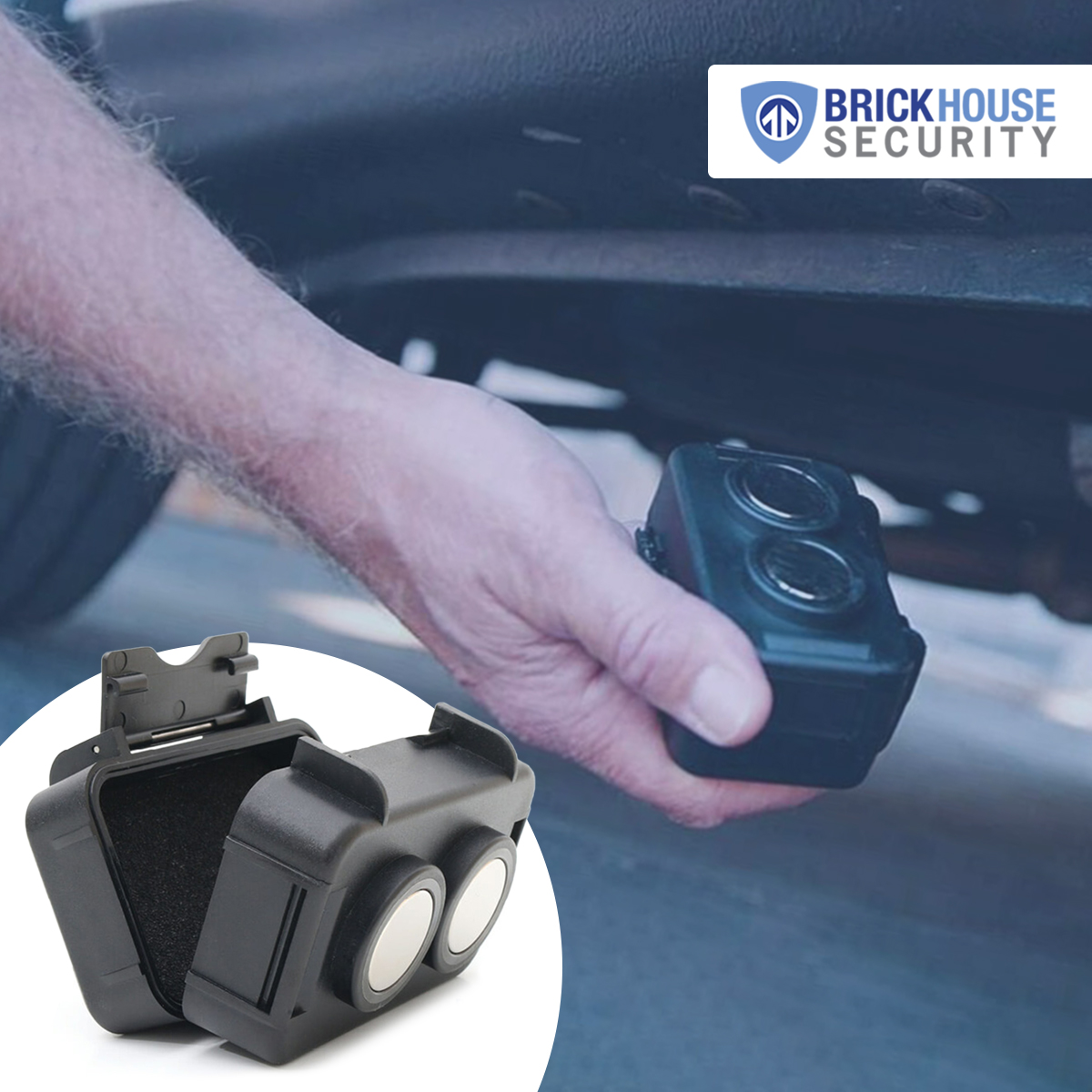
1. Under the Car (with a Magnetic Case)
You have seen it in the movies - but is placing a tracker under the car actually a good idea? It depends! If you place the GPS tracker underneath the driver or passenger side, the GPS signal will bounce off the road and be detected. Under the car is the best all-around covert method of placing a tracker. It offers strong reception and is not immediately visible.
For exterior mounting, you will need to purchase the magnetic case accessory. It is important to note that some luxury vehicles may have fewer magnetic mounting options, so do your research before attempting placement.
2. Inside the Dashboard
Undoubtedly the most covert option, installation inside the dashboard can also be the most difficult. However, if you have access to place your GPS device inside the dash, it is unlikely to be discovered. The composition of the dashboard allows the GPS satellite signal to pass through with relative ease while keeping the tracker completely out of sight.
3. In the Bumper
If you do not have access to the inside of the vehicle, the bumper is a great way to install your tracker undetected. Many new cars have a layer of plastic or fiberglass covering the bumper. Behind this cover, you can find a gap to fit your tracking device inside. Vehicle tracking devices placed in the bumper can remain undetected while still providing accurate location data.
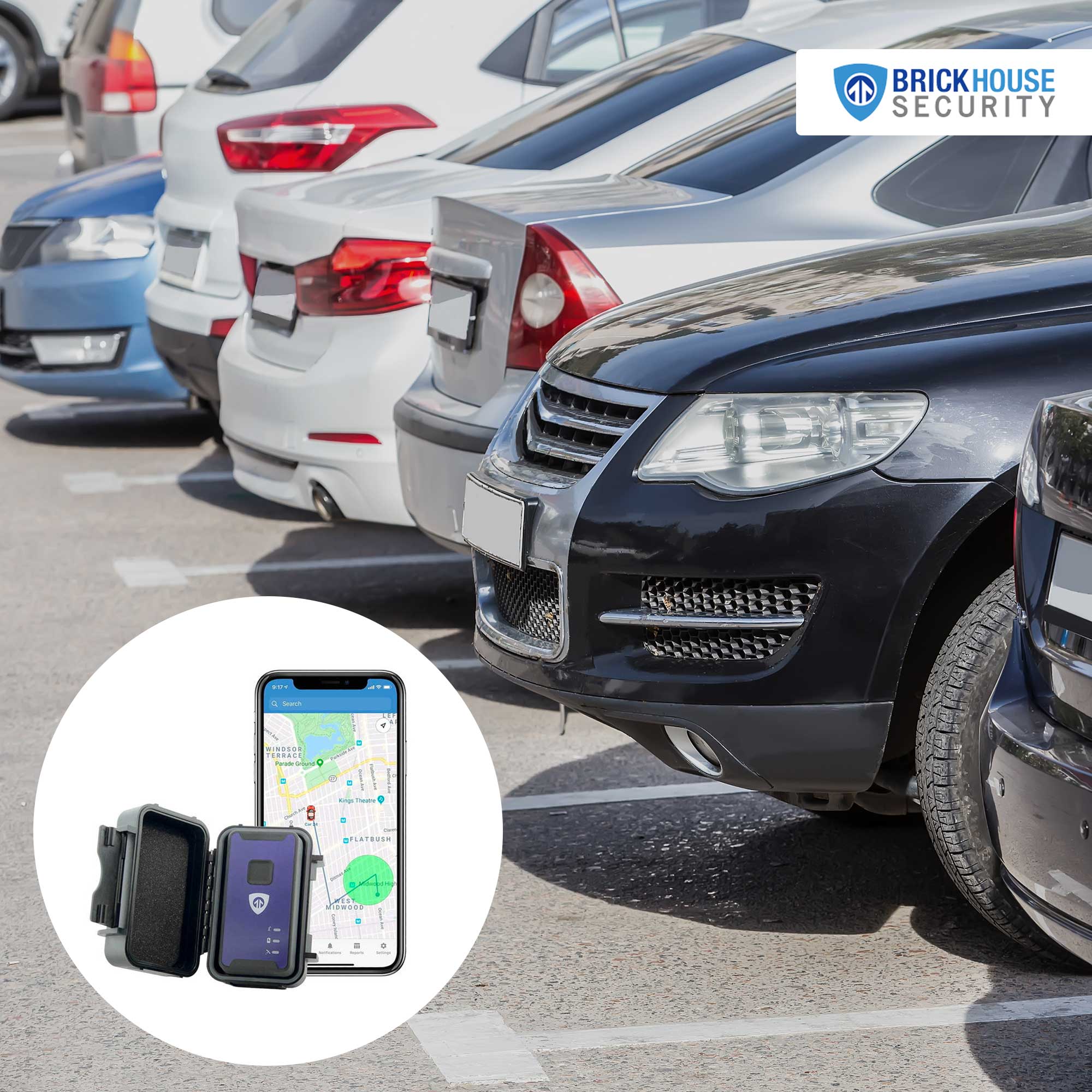
4. Under the Passenger Seat
The passenger seat is a simple and common location for hiding a tracker because it is easy to reach and well-concealed. However, due to the number of materials surrounding it, you may receive a weaker signal compared to other options.
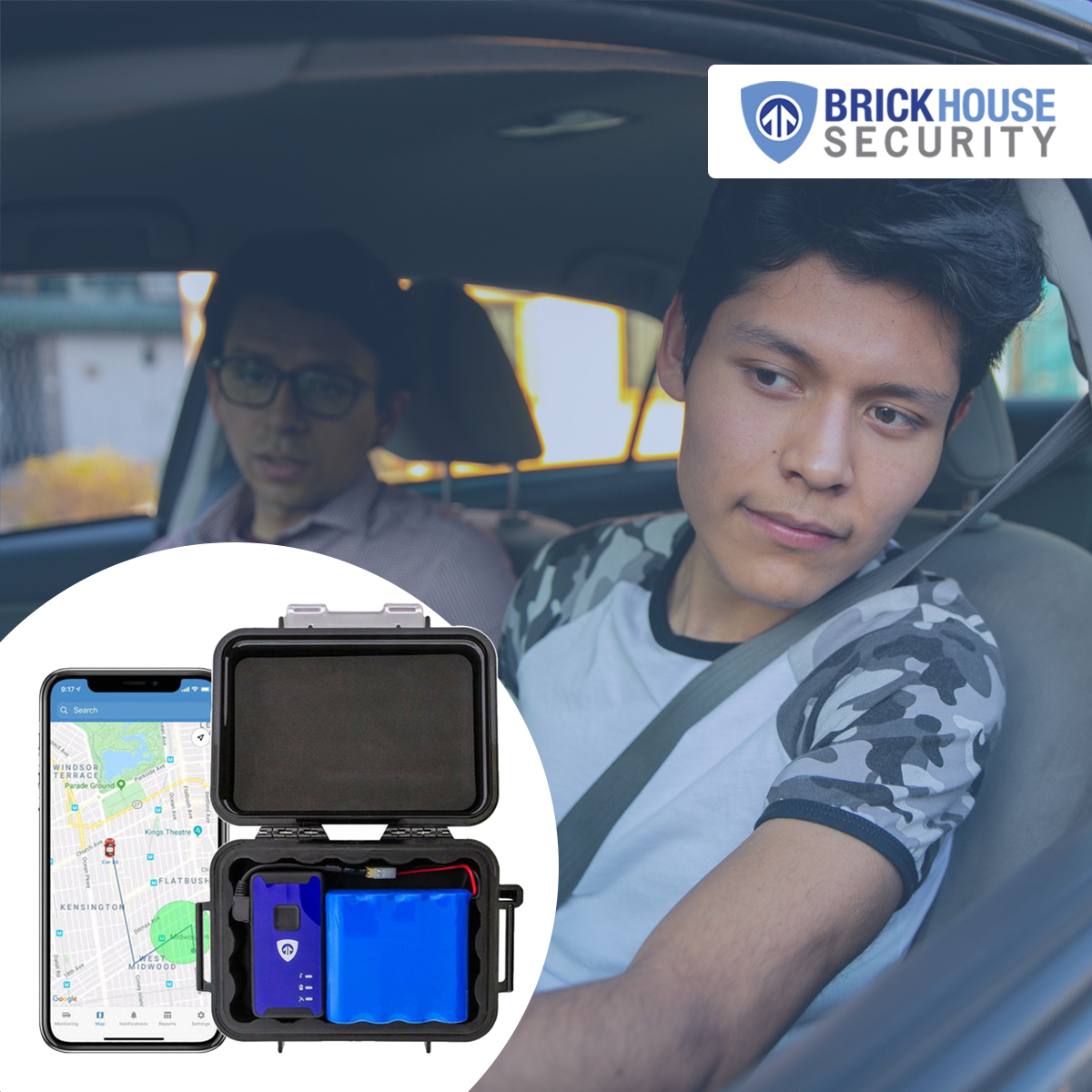
Covert Placement Comparison
| Location | Signal Strength | Concealability | Ease of Install | Accessory Needed |
|---|---|---|---|---|
| Under the Car | Strong | High | Easy | Magnetic Case |
| Inside Dashboard | Strong | Very High | Difficult | None |
| In the Bumper | Good | High | Moderate | Plastic/fiberglass bumper only |
| Under Passenger Seat | Moderate | High | Easy | None |
Where to Place a GPS Tracker If Privacy Is Not a Concern

If you are not trying to hide your tracker, installation is more straightforward and there are many more placement options. The first thing to look for is a clear line of sight to the sky to give you the strongest GPS signal. This leaves several great choices.
1. On the Dashboard or Rear Shelf
With only a glass panel between the device and the sky, this option offers robust signal strength for GPS devices. To avoid interference, make sure it is not placed too close to any other location-based devices.
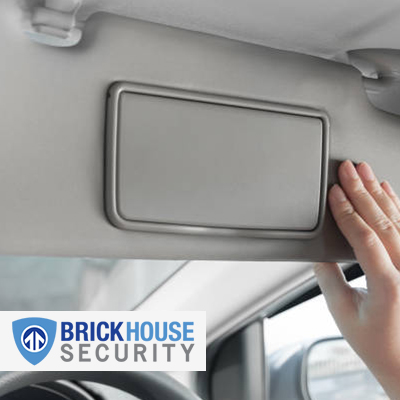
2. Clipped to the Sun Visor
This choice is less visible than the dashboard but very easy to find, so we do not recommend it as a covert option. However, this location offers excellent signal transmission thanks to its proximity to the windshield.
3. Attached to the Roof
This may be a cosmetically unappealing option, but it offers tremendous signal strength. Use a magnetic tracker to secure your device to the top of your car, ensuring it is always pointing up to the sky. Keep in mind that mounting in this location may increase the likelihood that your GPS tracker is stolen.

Making Your Choice
When selecting the placement of your GPS tracker, you have to consider both visibility and signal strength. If covertness is not your primary goal, you have many more options. Whatever you decide, make sure your tracker is secure, safe, and able to receive a clear GPS signal.
In addition to tracking your vehicle's location, you can also monitor what happens in and around it with a handy, easy-to-use car camera. Some of these devices also offer GPS tracking, giving you an all-in-one tool for complete vehicle awareness.
Frequently Asked Questions
What is the best hidden location for a GPS tracker on a car?
Under the car using a magnetic case is widely considered the best all-around covert placement - it offers strong signal reception and is very difficult to spot without a deliberate search.
Can GPS signals pass through metal?
No. GPS signals cannot pass through metal. Always place your tracker behind plastic, fiberglass, foam, glass, or wood to ensure a clear signal path to the sky.
Do I need a magnetic case to mount under the car?
Yes, for exterior mounting under the vehicle you will need a magnetic case accessory. BrickHouse Security offers a compatible magnetic case for portable trackers like the Spark Nano.
Will placing a tracker under the passenger seat weaken the signal?
Potentially. The materials surrounding the underside of a seat can reduce signal strength. It is a convenient and hidden spot, but expect a slightly weaker connection compared to roof, dashboard, or under-car placements.
What is the difference between plug-in, hardwired, and portable GPS trackers?
Plug-in trackers use the OBD-II port for instant, no-wire setup. Hardwired trackers connect directly to the vehicle's electrical system for a permanent solution. Portable trackers are battery-powered and can be placed anywhere - including outside the vehicle with a magnetic case.
Need Help Choosing?
Still not sure which tracker or placement is right for you?
Our team of real, knowledgeable experts is here to help. No robots, no call centers - just people who genuinely care about keeping your vehicle protected.
Shop GPS TrackersPosted by Todd Morris on Jun 11th 2025