




GPS Tracking Guide
How to Disable GPS Tracker on Car (Safely and Legally)
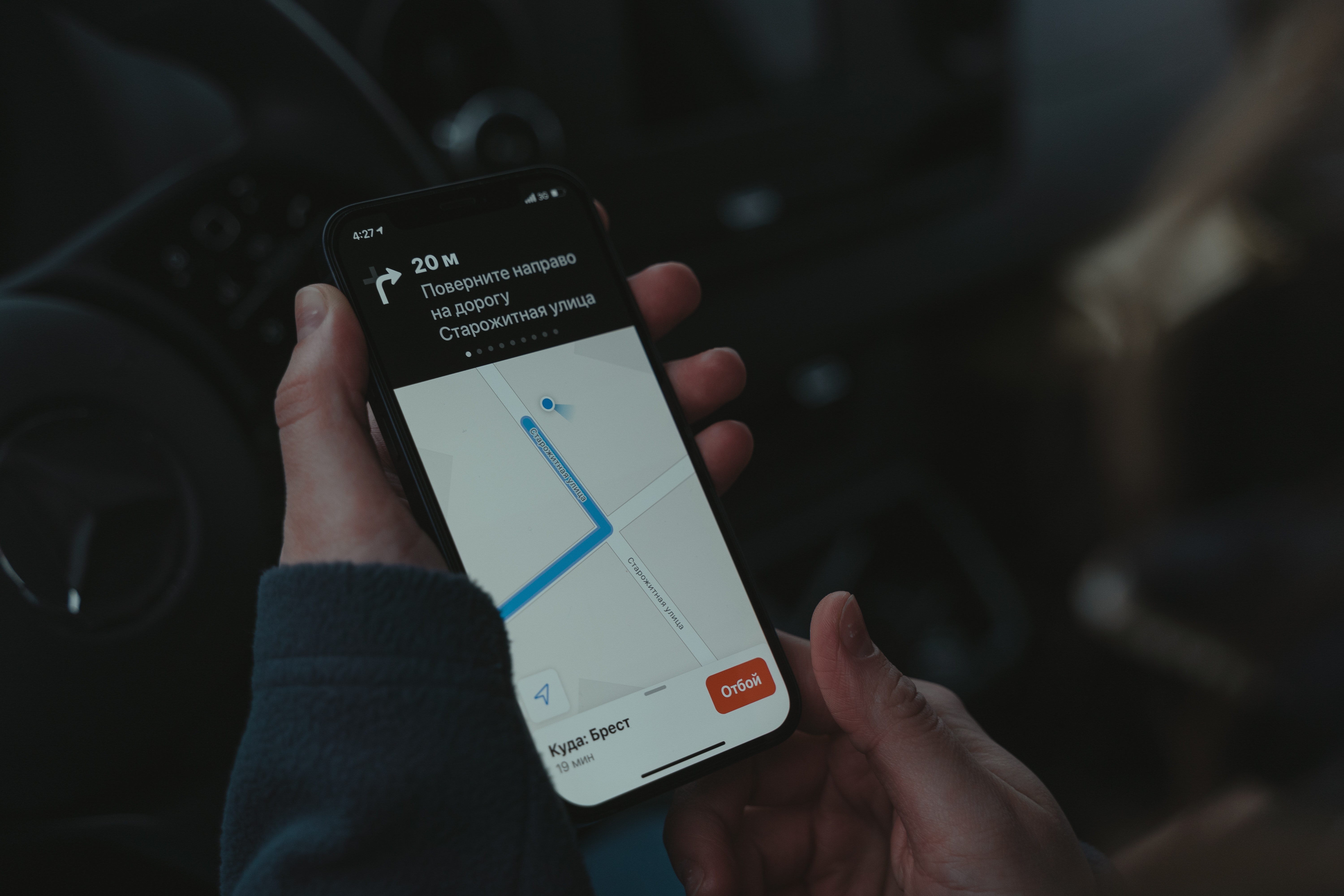
If you are searching how to disable a GPS tracker on a car, there is usually one thing driving it: worry. Maybe you agreed to vehicle GPS tracking for an insurance discount or fleet management. Maybe you suspect unauthorized tracking by someone you do not trust. Either way, you want your vehicle's location and location data handled on your terms.
Key Points
- Vehicle GPS tracking (including car trackers) can be used for harmful purposes - you need to know the signs of tracking, such as hidden devices in vehicles or unusual phone behavior.
- Use GPS bug detectors to detect trackers that pick up frequencies and other signals.
- Disable a GPS tracker by removing the device or battery, or by using anti-malware software on your phone.
- If you think you are being tracked, report it to the authorities.
Our Top GPS Trackers
Whether you need plug-and-play simplicity, a hardwired permanent solution, or a long-life magnetic tracker, BrickHouse has the right device for every vehicle and every situation.



Is Disabling GPS Tracking on a Car Legal?
Before you touch a device, you need to understand the legal implications.
When a GPS tracker is usually allowed
A GPS tracking device can be legally installed on your vehicle for:
- Personal use - you installed the GPS device yourself to monitor your car's location or protect family members.
- Family safety - parents using car trackers or GPS monitors to keep an eye on teen drivers, with clear communication and consent.
- Fleet management - employers tracking company vehicles for real-time tracking, route optimization, and driver safety.
- Insurance or lender agreements - some lenders and insurers require hardwired GPS trackers to manage risk and recover vehicles after theft.
When disabling or removing a tracker may be illegal
You should not attempt to disable or remove a tracker if:
- It is installed by law enforcement under a court order (tampering may be a crime).
- It is part of a lease, finance, or insurance contract you signed.
- It is on a company vehicle and you are an employee - your company likely owns both the vehicle and the tracking devices.
In these cases, talk to your lender, insurer, or employer instead of attempting a DIY physical removal.
When you should act quickly
You should act immediately, and involve authorities, if you suspect:
- An abusive partner or ex has placed a hidden device on your car.
- A stranger has installed a small device for stalking or other criminal monitoring purposes.
- You find any device you did not consent to, especially in hidden compartments or hard-to-reach areas.
In many places, tracking someone's exact location without consent is illegal. If you are in danger, your first call should be to local law enforcement or a domestic violence hotline - not a mechanic.
How GPS Tracking Works on Cars

To make smart decisions about disabling GPS tracking, it helps to know the basics.
- Global Positioning System (GPS): A network of GPS satellites orbits the Earth and sends out GPS signals.
- GPS devices on cars: GPS tracking devices and vehicle tracking systems receive those signals from multiple satellites to calculate your vehicle's location.
- Sending location data: Most GPS trackers use cellular networks to send location data (often in real time) back to an app or web dashboard.
- Power source types:
- Battery-powered trackers - easy to hide, often attached to metal surfaces under rear bumpers, in wheel wells, behind the center console, and similar spots.
- Hardwired trackers - connected directly to your car's electrical system, often tied into the car battery, power supply, or OBD-II port.
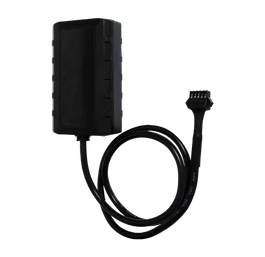
Some devices have internal antennas and look like ordinary small electronics - a black box, a tiny module wrapped in electrical tape, or something tucked into your glove compartment or glove box. The more you understand the basics of GPS tracking, the easier it is to tell if you are dealing with a legitimate safety tool or unauthorized tracking.
Step-by-Step Guide: What To Do If You Suspect a GPS Tracker on Your Car
Step 1 - Stay Calm and Document What Is Happening
- Write down why you are suspicious: strange phone calls, threats that reveal your car's location, or someone knowing your movements too well.
- Take photos or notes of anything odd around your vehicle (new wires, small device stuck to the body, changes in the engine bay or steering wheel area).
This documentation helps if you need professional assistance or law enforcement later.
Step 2 - Check Paperwork and Apps First
Before crawling under the car:
- Review your finance, lease, or insurance paperwork for any mention of vehicle GPS tracking.
- Check any apps you use for fleet management, family GPS tracking, or anti-theft. If you or a family member installed a tracker for personal use, start there.
- If you use a BrickHouse or similar tracker, log into your account or call client relations to confirm whether a GPS tracking device is active on your vehicle.
You might discover that what you are worried about is actually a legitimate GPS device you already agreed to.
Step 3 - Do a Careful Visual Inspection (Without Pulling Anything Apart)
If you still suspect a tracker on your car, you can do a basic visual check without touching your electrical system:
- Outside the car:
- Gently inspect wheel wells and rear bumpers for magnetic GPS trackers or other small devices stuck to metal surfaces.
- Use a flashlight to look for black boxes or modules that do not look like normal car parts.
- Inside the car:
- Look in the glove compartment, glove box, and center console for unfamiliar electronics.
- Check under seats and in storage pockets for hidden devices.
- Under the dash and around the OBD-II port:
- Look at the OBD-II port (usually near the steering wheel) to see if anything unusual is plugged in.
- Do not tug or cut unfamiliar wires.
Your goal here is identification, not DIY removal.
Step 4 - Consider RF Detection Tools (Carefully)
Some people consider GPS detector tools or GPS bug detectors that claim to detect radio frequencies emitted by tracking devices.
Reality check:
- Many cheap GPS bug detectors are unreliable and may not detect modern devices using different radio frequencies or sleep modes.
- More advanced tools are best handled by security professionals or professional mechanic teams who know how to interpret what they are seeing.
If you choose to use a GPS detector, treat it as a temporary solution - not a replacement for professional help.
Step 5 - Involve a Professional (Mechanic, Auto-Electrician, or Police)
Once you suspect or find a device:
- Take your car to a professional mechanic or auto-electrician and explain what you found.
- They have specialized tools and can safely inspect hard-to-reach areas and your vehicle's electrical system for devices connected directly to the power source.
- They can help avoid triggering error codes or damaging critical systems.
- If you suspect a crime, contact local law enforcement:
- Show them your documentation and photos.
- Let them handle physical removal, especially if the device could help identify the person behind the tracking.
Seek professional support early - it is the most reliable and safest path.
How to Disable a GPS Tracker on a Car You Own (Legally)
If the GPS tracking device is one you purchased and installed for personal use, and you simply want to turn it off or upgrade, your options are safer and more straightforward.
Option 1 - Pause or Cancel Service (Often Easiest)
For many GPS devices:
- Log into the associated app on your cell phone.
- Turn off real-time tracking or pause the device if the platform allows it.
- Contact customer support or client relations to cancel the subscription so location data stops being stored.
This leaves your car's wiring untouched and avoids issues with error codes.
Option 2 - Unplug an OBD-II or Plug-In Device
If your tracker is plugged into the OBD-II port:
- Turn off the car.
- Gently unplug the device by pulling on the body of the device carefully - not the wires.
- Store it safely if you plan to use it again or return it.
Because OBD trackers are not usually hardwired, this is often a safe temporary solution - but always follow the manufacturer's instructions.
Option 3 - Remove a Battery-Powered Tracker
For battery-powered trackers:
- Remove the device from the vehicle.
- Open the casing following the manufacturer's instructions and remove the battery, or let the battery discharge if advised.
- Never puncture, crush, or overheat batteries.
Battery removal stops the GPS signal from being generated, but be sure you are working on your own device - not someone else's hidden device.
Option 4 - Have a Pro Disconnect Hardwired Trackers
For hardwired trackers:
- These devices are often tied into the car's electrical system, car battery, or other wiring.
- A professional mechanic or auto-electrician should handle the physical removal and any electrical tape or added wiring.
This avoids damage to your power supply and helps ensure your vehicle still starts and runs properly afterward.
What To Do Next
If you:
- Found a suspicious small device on your car,
- Are unsure whether you are allowed to disable GPS tracking, or
- Want to move from a hidden, low-trust setup to a transparent, consent-based one...
Reach out to a professional first.
- Start with a professional mechanic or auto-electrician to safely inspect your vehicle's electrical system.
- If you are a BrickHouse customer (or thinking about becoming one), contact our client relations team to review your devices, data handling, and privacy options with a real human.
Understand the Device You Found - or Suspect
Before you can disable or remove a GPS tracker, it helps to know exactly what type you are dealing with. A magnetic battery-powered tracker detaches easily by hand. A hardwired tracker is tied into your car's electrical system and needs a professional. An OBD device simply unplugs from the dashboard port. Each type looks different, hides differently, and requires a different approach to remove safely.
Our in-depth guides cover every major GPS tracker type - what they look like, how they work, where they are typically hidden, and how long their batteries last. Reading about the specific type you suspect is on your vehicle is the fastest way to confirm what you are looking at and what to do next.
Frequently Asked Questions
Can someone put a GPS tracker on my car without me knowing?
Yes, it is technically possible to hide a GPS tracker on a car without the driver knowing, especially battery-powered trackers or magnetic GPS trackers stuck to metal surfaces like wheel wells or rear bumpers. But in many places, tracking someone's vehicle location without consent is illegal. If you suspect unauthorized tracking, document what you find and contact law enforcement or a professional mechanic rather than removing the device yourself.
How do I disable GPS tracking on my car legally?
To disable GPS tracking on a car legally, first confirm who installed the GPS tracking device and why. If it is part of a finance, insurance, or employer agreement, talk to them before making changes. For devices you own, you can usually pause service in the app, unplug an OBD-II port tracker, or have a mechanic remove hardwired trackers. Avoid GPS jammers, which are illegal in many countries.
Where are GPS trackers usually placed on vehicles?
Car trackers can be placed under the vehicle in wheel wells or behind rear bumpers, inside the cabin in the glove compartment, glove box, center console, or under seats, and near the steering wheel or engine bay if they are connected to the car's battery or electrical system. Because there are many hard-to-reach areas, a professional mechanic or security specialist can do a more thorough inspection with advanced tools.
Are GPS jammers legal?
In the U.S. and many other countries, GPS jammers and similar devices that interfere with radio frequencies are illegal to sell or use. Regulators like the FCC warn that jammers can block emergency phone calls and other critical communications, and using them can lead to fines and criminal penalties. It is safer to remove or disable a tracker through legal channels than to risk using a GPS jammer.
How can I find a hidden GPS tracker without a detector?
You can start with a careful visual inspection. Look for small devices or modules that do not belong, especially on metal surfaces under the car. Check interior hidden compartments, the glove compartment, and center console. Inspect the OBD-II port for anything plugged in that you do not recognize. While GPS detector tools and GPS bug detectors claim to detect radio frequencies emitted by trackers, they are not always reliable. For a more thorough check, seek professional help from a mechanic or security expert.
Will removing a GPS tracker damage my car?
Removing some GPS tracking devices incorrectly - especially hardwired GPS trackers - can damage your vehicle's electrical system or cause error codes. That is why physical removal should be done by an experienced auto-electrician or professional mechanic using specialized tools, particularly when the device is tied into your power supply or car battery.
How do I turn off GPS on my car's built-in system?
Many newer cars have built-in navigation and GPS systems. Typically you can go into the infotainment settings and turn off location data sharing or "connected services" that send your car's location back to the manufacturer. This does not affect standalone GPS trackers that might be installed separately. For those, you will still need to follow the steps above or get professional assistance.
Is it better to disable the tracker or switch to a more transparent service?
In many cases, the best answer is not "no tracking at all" but "transparent, consent-based tracking." Rather than secretly removing tracking devices used for monitoring purposes, you might switch to a provider with stronger privacy controls, clear communication, and responsive client relations. That way, everyone using the vehicle understands how GPS tracking works and why it is there.
Posted by Todd Morris on Feb 11th 2025