




Do GPS Trackers Work Without Internet or Wi‑Fi?
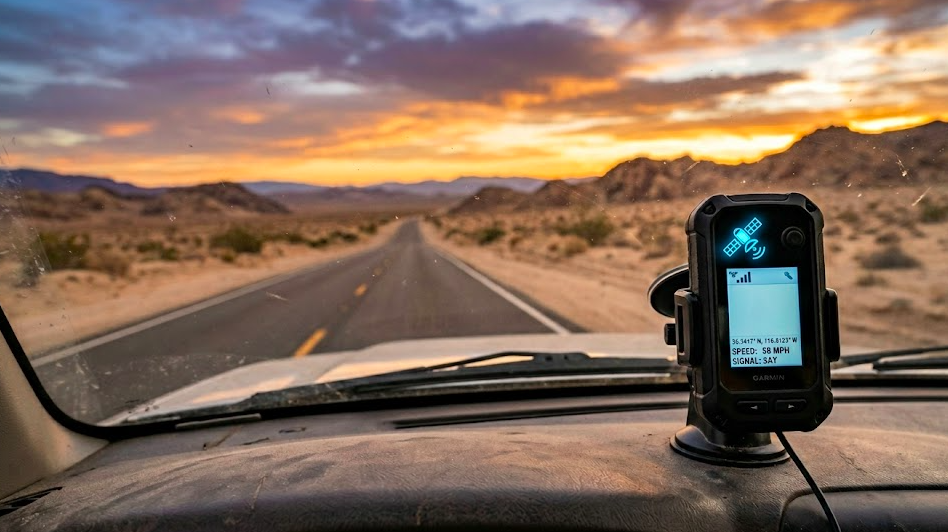
You're in the middle of nowhere. No cell signal, no Wi-Fi and your GPS tracker is still logging every mile. So how does that work exactly? Most people think GPS trackers need internet to work. That’s understandable, almost everything today depends on data. But GPS works differently.
GPS can find your location without internet. It uses satellite signals, not Wi-Fi or mobile data. The internet is only needed if you want to see that location live on your phone or share it with someone. Once you know this, choosing the right tracker becomes much easier. In this guide, we’ll quickly explain how offline GPS works, when internet is needed, and which type of tracker suits your needs.
Quick Answer: Do GPS Trackers Work Without Internet or Wi‑Fi?
Yes, GPS trackers can find your location without internet or Wi-Fi. They use satellite signals to figure out exactly where you are, all by themselves. But if you want to see your location live on an app or website, you need a data connection like cellular data or Wi-Fi. Here’s the difference: GPS gets location from satellites without internet, but sending that location to your phone or computer in real time needs internet.
For example, a car tracker can keep recording your route even on a country road with no cell signal. A hiker’s GPS device can save waypoints in the mountains. Even your phone in airplane mode shows your position if GPS is on.
Offline GPS trackers save location data inside the device to check later. Some devices store data when offline and send it automatically once they get internet again.
GPS vs. Internet: They're Completely Different Systems
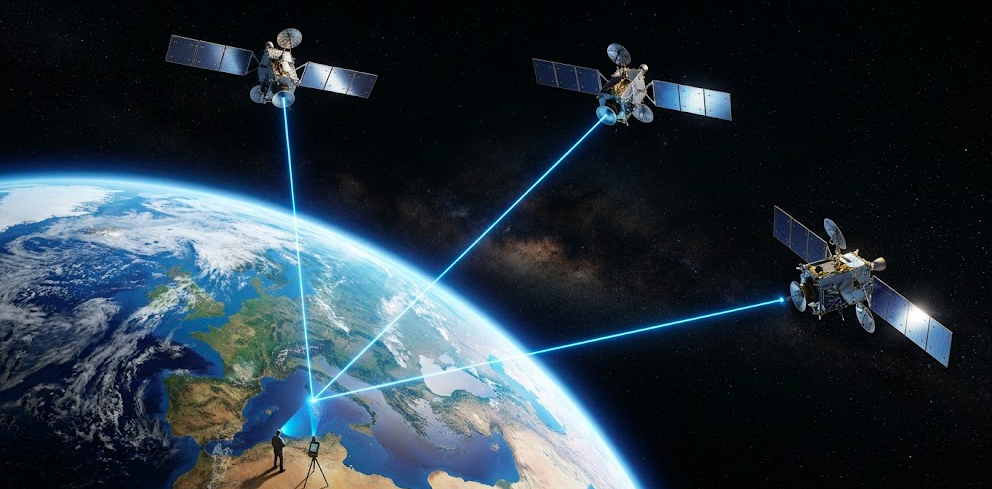
A common misconception treats GPS and internet as the same technology. They’re completely separate systems serving different purposes.
The global positioning system is a U.S. satellite network with at least 31 operational GPS satellites as of 2026, originally deployed in the late 1970s and fully operational since 1995. Each satellite broadcasts precise timing and orbital data. Your GPS receiver whether in a tracker, phone, or car listens to these satellite signals and calculates latitude, longitude, altitude, and speed without any internet access whatsoever.
Internet serves a different role: carrying data between your device and servers. This enables maps, alerts, and reports to appear on your phone or computer.
Modern devices often use multiple satellite constellations including Russia’s GLONASS, Europe’s Galileo, and China’s BeiDou for better accuracy. All operate independently of internet connectivity.
How GPS Trackers Work Without Internet
Every GPS tracker follows the same offline-capable process:
- Satellite lock: The device acquires signals from at least four satellites
- Position calculation: Latitude, longitude, altitude, speed, and heading are computed locally on the device
- Local storage: Data is saved to internal memory, or transmitted if a cellular connection exists
Steps one and two happen entirely offline. A fleet truck driving through a rural dead zone, a hiker in a remote mountain range, or your phone in airplane mode, all still calculate position accurately using satellite signals alone.
Key insight: GPS determines where you are. The internet tells others where you are. These are separate jobs handled by separate technologies.
Types of Offline GPS Devices
GPS Trackers That Operate Fully Offline:
Standalone offline GPS tracker devices work with no SIM, no wifi connection, and no live connection whatsoever. These data loggers record trip history to internal memory typically 16 MB to 512 MB, storing days or weeks of location points depending on logging interval.
Data is retrieved later via USB, Bluetooth, or a docking station. Common uses include weekly fleet route audits, hiking track exports, and asset monitoring in areas with zero cellular coverage.
Benefits include longer battery life, no monthly fees, and operation in remote areas. Drawbacks: no real-time view, no immediate theft notifications, and you can’t receive alerts until data is manually downloaded.
Store-and-forward trackers (hybrid):
Most modern vehicle and asset trackers use a store-and-forward approach. They normally transmit data over 2G/3G/4G/5G but automatically switch to offline logging when coverage drops, then upload the buffered data the moment connectivity returns.
A delivery truck entering an underground car park keeps logging. A mining vehicle working miles from any tower keeps recording. When they resurface, routes appear complete in the dashboard with no gaps.
When evaluating a tracker, check its advertised offline memory capacity and store-and-forward specifications, these vary significantly between models.
When Internet Actually Becomes Necessary
Internet connectivity isn't needed to calculate location but it's essential for everything that makes real-time tracking useful:
- Viewing live location on a map from your phone or computer
- Receiving instant geofence breach or speed alerts
- Remote features like vehicle immobilisation
- Syncing data to cloud dashboards and generating reports automatically
Most real-time trackers use a nano-SIM or embedded eSIM with a cellular data plan to transmit small location packets. Update intervals typically range from every 10 seconds for theft protection to every 1-5 minutes for long-haul fleet tracking balancing data usage with battery life.
Role of SIM Cards and Mobile Data
Most real-time trackers use nano-SIM or embedded eSIM with active data plans to send small packets of GPS data to servers.
The process works step-by-step: GPS fix occurs, device compiles data including time, coordinates, and speed, then data transmits via GSM/3G/4G/5G to cloud storage, finally displaying in your web dashboard or mobile device app.
A tracker without SIM can log trips internally but cannot send data or push live updates unless connected via Bluetooth or local wifi. Update intervals vary: every 10 seconds for theft protection versus every 1-5 minutes for long-haul trucks balances data usage and battery.
When vehicles cross borders or enter areas without cellular coverage, devices fall back to offline logging, resuming real time data transmission later. Factor monthly data costs and coverage maps into your decision.
How Apps Use Internet Alongside GPS
Smartphone apps like Google Maps use your device’s GPS location along with online map details, traffic updates, and address search services.
Even though GPS works without internet, these apps usually need internet to download maps, find places, or show live traffic. If you download maps ahead of time on your Android or iPhone, you can use navigation without internet.
If you don’t have downloaded maps, GPS-only mode might just show your position on a blank or partly saved map. Check if your tracking app lets you see maps offline or if it needs an internet connection to show maps.
Offline GPS Tracking in the Real World
Offline tracking serves fleets, outdoor activities, and industries operating far from reliable coverage. The choice between offline logging and live tracking depends on risk level, legal requirements, and operating environment.
Fleet Management and Vehicle Tracking Without Constant Internet
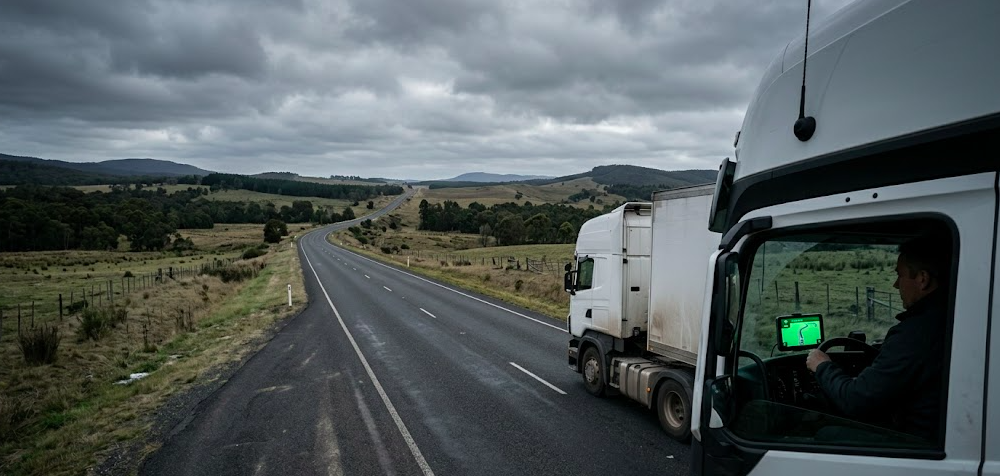
Fleet vehicles often move through tunnels, remote highways, and border areas where mobile coverage drops completely. During these gaps, GPS trackers don’t stop working, they continue recording location data internally, including timestamps, speed, stops, and route paths.
Once the vehicle reconnects to a network, the tracker automatically uploads the full trip history to the system. This ensures nothing is lost. Fleet managers still get complete reports for fuel tracking, driver behavior, proof of delivery, and regulatory compliance, even if there was no signal during parts of the journey.
In practice, this means a truck can drive for hours with no coverage and still show a fully accurate route later, without missing any critical data points.
Asset tracking in remote environments
Industries like mining, forestry, agriculture, and energy deploy GPS trackers on equipment operating beyond normal cellular networks. These rely primarily on offline GPS logging, sometimes combined with satellite communication for periodic status pings.
Deployments include simple uses like monitoring generators on remote sites, tracking containers between ports, or finding trailers in rural areas. When these assets return to a place with internet, the tracker uploads all saved location data automatically.
Because of this, trackers are built to be tough, with strong outer cases, batteries that last weeks or months, and settings that save power by recording data every 5-30 minutes. Offline tracking is important for safety, legal records, and insurance purposes.
Personal Safety, Outdoor, and Travel Use
Handheld GPS devices, sports watches, and personal trackers are popular with hikers, campers, cyclists, and travelers. These gadgets can record your route and important spots even when your phone has no signal.

A hiker in the Alps using a GPS watch with pre-loaded detailed maps and depends only on satellite signals. A parent placing a small GPS logger in a child’s backpack during school trips creates a recoverable location record.
Offline logs are very useful after an incident because they show where a person went and where they stopped. Some SOS devices can also send emergency messages using satellites. These are different from regular GPS trackers and don’t need mobile internet.
Using GPS on Your Phone Without Data for iOS and Android
Modern smartphones have built-in GPS chips, so they can find your location even without mobile data or Wi-Fi. But without internet, map apps may not load properly unless you’ve already downloaded the area.
One limitation shows up at the start. Phones often use network data, Assisted GPS (A-GPS) to lock onto satellites faster. Without it, getting your location after a restart or long gap can take a bit longer. After that, tracking works normally with no data.
You can test this yourself. Turn on airplane mode, enable location, and open your map app. Your position will still update in real time, even with no signal.
Offline maps: what you need to know
Without a data connection, your map app can go blank showing just a dot on an empty screen. That's why downloading offline maps in advance is so important.
Most navigation apps let you save entire regions states, countries, or custom areas directly to your device. A few things worth knowing before your trip:
- Expiry dates: Offline maps usually expire after 30-120 days and need refreshing
- Storage space: Large regions can take several gigabytes, check your available space
- Coverage: Download every area you might pass through, not just your destination
- Update before you go: Outdated maps can show roads that no longer exist
Battery life: what drains it and how to stretch it
GPS uses a meaningful amount of battery, and phones searching for a cell signal in low-coverage areas use even more. For long offline trips, battery management matters.
Simple ways to extend battery life while using GPS offline:
- Turn on airplane mode it stops the phone hunting for signal, which is a big drain
- Keep the screen off or at minimum brightness
- Close background apps that refresh in the background
- Reduce how often your map app updates your position
Most modern smartphones can track continuously for several hours with the screen off. Heavy use, bright screen, frequent updates will drain the battery faster.
Live Tracking vs Offline Logging
Choosing between live tracking and offline logging depends on how much visibility you need and where your assets operate.
|
Feature |
Live (Online) Tracking |
Offline Logging |
|---|---|---|
|
Location access |
Real-time map view from anywhere |
No live view |
|
Alerts |
Instant geofence and speed alerts |
No alerts |
|
Control features |
Allows remote control |
Not available |
|
Reports |
Shows detailed reports |
Basic data stored locally |
|
Connectivity |
Needs mobile data or internet |
No data needed |
|
Cost |
Monthly subscription required |
No ongoing fees |
|
Coverage |
Limited by cellular network |
Works anywhere |
|
Battery life |
Moderate |
Longer battery life |
|
Privacy |
Data stored on cloud |
Data stays on device |
Hybrid devices do both. They show live location when there’s signal and switch to offline logging when there isn’t. Once the connection returns, all stored data uploads automatically, so your route history stays complete.
Key Takeaways for Choosing a GPS Tracker
GPS works without internet for positioning; live tracking does not. Offline logging suits remote areas or cost-sensitive applications. Online tracking suits security and time-sensitive monitoring. Many modern devices support both modes, making configuration and subscription plans as important as hardware choice.
Evaluate your environment (urban versus remote), power supply (vehicle-powered versus battery), and sync frequency preferences. Determine what level of constant connectivity you actually require before purchasing.
Conclusion:
Think back to where we started no signal, no Wi-Fi, and your tracker still logging every mile. Now you know why. GPS Tracker runs on satellites, not the internet. It finds your location anywhere with a clear view of the sky. Internet only comes in when you want to share that location with someone else.
What you choose next depends on your situation. Need live alerts and real-time updates? Go with a 4G tracker on a data plan. Working somewhere off the grid? An offline logger does the job with no monthly fees. Need both? A hybrid device handles it automatically sending live updates when signal exists and logging offline when it doesn't.
Most people don't realise how simple this decision actually is once you understand what GPS really does. You don't always need the most expensive setup, you just need the right one for where you're going and what you're tracking.
The signal is always out there, reaching every corner of the planet. Your only job is picking the right device to make the most of it.
FAQ
Do GPS trackers work without internet?
Yes. GPS trackers use satellite signals to calculate location, no internet required. You only need a data connection if you want to view that location live on a phone or app.
Can a GPS tracker work without a SIM card?
Yes, a GPS tracker can work without a SIM card, but only for offline tracking. It can still record your location using satellite signals, but it cannot send that data anywhere in real time. Instead, the device stores all location data internally. You can access it later by connecting the tracker via USB or Bluetooth.
Does GPS work in remote areas with no mobile signal?
Yes, GPS works in remote areas even without mobile signal.
It uses satellite signals, which are available worldwide. As long as the device has a clear view of the sky, it can find your location accurately. Mobile signal is only needed if you want to send that location somewhere in real time.
What is the difference between GPS and internet in a tracker?
GPS is the system that tells the device where it is using satellite signals. The internet is what sends that location to your phone, app, or dashboard.
They work separately. GPS finds your location on its own, even with no signal. The internet is only needed if you want to see that location live or share it with someone. In simple terms, GPS answers “Where am I?” while the internet answers “How do I see it somewhere else?”
Can I track a vehicle in real time without internet?
Not in true real time. You can view live location only over a local Bluetooth or direct Wi-Fi connection. Otherwise, you'll need a cellular data connection to see updates remotely. The tracker itself keeps recording either way.
Posted by Kellie Kendall on Feb 23rd 2026