




GPS Tracking vs Cellular vs Bluetooth trackers
When you hear “tracking technology,” it’s easy to assume all devices work the same way. They don’t. GPS tracking vs cellular vs Bluetooth represents three distinct layers of location technology: GPS for calculating position using satellites, cellular for transmitting that data across mobile networks, and Bluetooth for detecting items within close range. Think of it this way: Bluetooth for nearby items, GPS+cellular for vehicles and long-distance assets, and GPS-only for remote adventures off the grid
Choosing the wrong system wastes money and creates blind spots. Whether you're managing a fleet across state lines, tracking hospital equipment indoors, or monitoring a child’s backpack, the right technology depends on distance and environment.
How Each Tracking Technology Works
All three technologies provide location data, but they work in very different ways. If you don’t understand the difference, you’ll either overspend on features you don’t need or install a system that leaves gaps.
GPS calculates position using satellites orbiting Earth. Cellular networks like 4G LTE or NB-IoT transmit that location data to the cloud. Bluetooth uses short-range radio signals to detect nearby items through smartphones or fixed gateways.
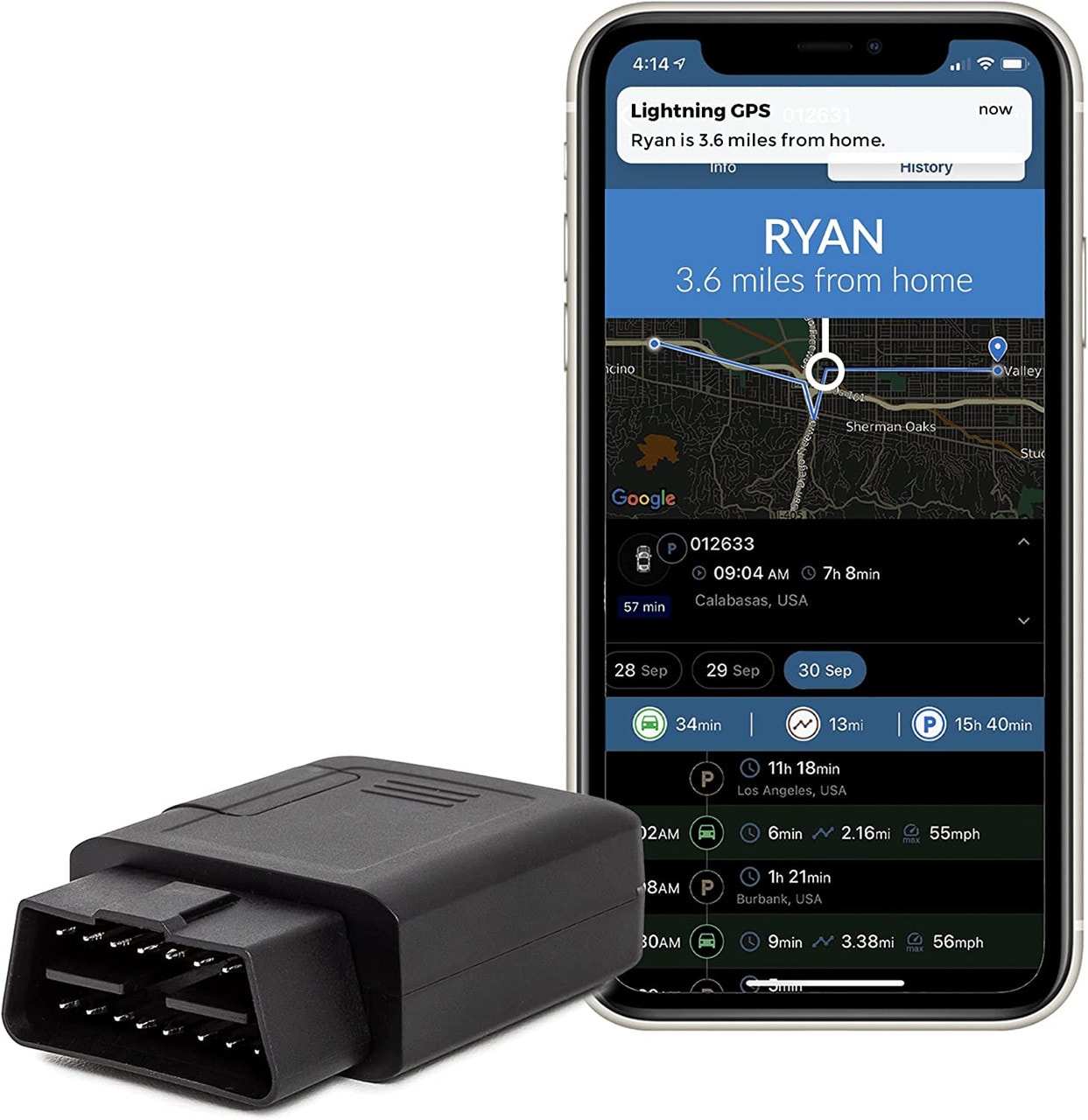
Hardware varies depending on the use case. You’ll see OBD-II vehicle trackers, hardwired fleet units, small key fobs, coin-sized BLE tags, and wearable devices. Many modern trackers combine multiple radios, GPS for positioning, cellular for live updates, and Bluetooth for indoor visibility.
The right setup depends on distance, environment, and how often you need updates.
What Is GPS Tracking?
GPS works through a network of over 30 satellites orbiting about 20,200 km above Earth. These satellites send precise signals that let a GPS tracker figure out its exact spot using a method called trilateration.
A GPS tracker picks up signals from at least four satellites at once. By comparing the timing of these signals, it calculates its location with an accuracy of about 5 to 10 meters outdoors. Some devices store this info to check later, while others send it right away through cellular or satellite networks for live tracking.
People use GPS for many things, from car trackers that log trips and help recover stolen vehicles, to pet collars that keep tabs on roaming dogs, and emergency devices for hikers in places without cell service.
There are two main types: standalone GPS trackers that save data or send it via satellite, great for off-grid use; and GPS + cellular trackers that send live location updates to apps or websites, common in fleet management.
GPS shines outdoors with a clear view of the sky but struggles indoors where buildings and dense structures block signals.
What Is Cellular Tracking?
When people talk about “cellular tracking,” they usually mean a device that uses 4G LTE, LTE-M, NB-IoT, or 5G networks to send GPS location and sensor data to the cloud. The cellular network doesn’t find the location, it just carries the information.
Here’s how a cellular GPS tracker works:
- It gets a GPS signal from satellites.
- An embedded SIM connects to nearby cell towers.
- The location data is sent over the cellular network to servers.
- You can see the data on a website or app almost instantly.
In cities with many cell towers, some trackers can use cell tower signals to improve location when GPS is weak, like in underground garages. But this method is less accurate, often off by 50 to 500 meters, compared to GPS’s 5 to 10 meters.
The key difference with cellular trackers is the subscription fee. Each device needs an active data plan, usually costing $5 to $25 a month depending on features and usage. This ongoing cost sets them apart from Bluetooth-only trackers, which don’t have monthly fees.
Examples include plug-in car trackers, fleet trackers on delivery vehicles, and battery-powered trackers on shipping containers or construction gear.
What Is Bluetooth Tracking?
Bluetooth Low Energy (BLE) uses short-range radio waves, usually covering 10–100 meters depending on obstacles. Unlike GPS, Bluetooth tracking doesn’t calculate exact locations on its own. Instead, it relies on being near other BLE-enabled devices like smartphones or gateways.
Here’s how it works:
- The Bluetooth tag sends out a unique signal.
- Nearby phones or gateways pick up that signal.
- The location of the phone or gateway is used to estimate where the tag is.
- This info is sent to an app or server.
Popular consumer trackers like Apple AirTag and Tile use a crowdsourced network. So, if your lost keys pass near someone else’s phone, that phone anonymously updates the location for you. This extends the range but only works where lots of devices are nearby.
Bluetooth trackers are great for personal stuff like keys or bags. In businesses, they’re used to track equipment indoors with a network of gateways. But remember, Bluetooth alone can’t track items once they’re out of range, it needs to be close to a phone or gateway to work.
GPS vs Cellular vs Bluetooth: Core Differences
This section distills the key differences between these three tracking systems. Understanding these distinctions prevents costly mismatches between your needs and your technology investment.
The simplest way to conceptualize the relationship: GPS tells you where something is, cellular transmits that information anywhere with coverage, and Bluetooth tells you what’s nearby. Each serves a fundamentally different purpose, and many modern solutions combine all three.
Here are the high-level trade-offs:
- GPS and cellular offers global, real time tracking capabilities but demands higher power, more expensive hardware, and ongoing monthly subscription fees
- Bluetooth provides local awareness with long battery life and low cost but cannot track assets beyond gateway or smartphone range
- Standalone GPS delivers remote coverage without cellular dependency but often requires manual data sync or satellite messaging with slower update speeds
The comparison table below provides a visual breakdown of these differences across the criteria that matter most for deployment decisions.
Comparison Table: GPS Tracking vs Cellular vs Bluetooth
The following table summarizes the key differences to help you quickly identify which technology matches your requirements.
|
Criteria |
GPS-Only |
GPS + Cellular |
Bluetooth/BLE |
|---|---|---|---|
|
Coverage |
Global outdoors (requires sky view) |
Global where cellular networks exist |
10–100m typical; extended via crowdsourced networks |
|
Real-time Capability |
Limited (manual sync or satellite messaging) |
Updates every 10–60 seconds typical |
Quasi real-time within gateway coverage |
|
Indoor Performance |
Poor (signals blocked by buildings) |
Poor GPS, possible cell-tower assist |
Excellent (designed for indoor use) |
|
Battery Life |
Days to weeks (depends on logging frequency) |
Days to weeks (or hardwired) |
2–5 years on coin cell battery |
|
Hardware Cost |
$100–$400+ |
$50–$200 typical |
$10–$40 per tag |
|
Ongoing Fees |
None or satellite messaging plans |
$5–$25/month data plans |
None per tag (gateway infrastructure costs) |
|
Typical Examples |
Garmin inReach, hiking GPS loggers |
OBD-II fleet trackers, asset trackers |
Apple AirTag, Tile, enterprise BLE tags |
|
Ideal Use Cases |
Remote adventures, off-grid logging |
Vehicles, fleets, high-value mobile assets |
Keys, tools, indoor equipment, inventory |
Most consumer and commercial “GPS trackers” sit in the GPS + Cellular column. Pure GPS-only devices are relatively specialized, designed for scenarios where cellular infrastructure simply doesn’t exist.
Use Cases: Choosing the Right Tech for People, Vehicles, and Assets
The right tracking technology depends entirely on context: what you’re tracking, where it travels, and how frequently you need updates. A delivery van crossing three states has fundamentally different requirements than a pallet of medical supplies moving between hospital floors.
The following subsections examine concrete scenarios across family safety, fleet management, indoor asset tracking, and outdoor environments. In many 2024 to 2025 deployments, organizations achieve best results with hybrid approaches, GPS+cellular for vehicles and long-distance assets, BLE for carts, tools, and room-level visibility.
Each subsection recommends specific technology combinations based on real-world requirements, not just theoretical capabilities.

Family Safety: Kids, Teens, Seniors, and Pets
For family safety, distance determines the right choice. A teen commuting across town or a senior with dementia needs GPS + cellular for live, citywide tracking and geofence alerts.
Bluetooth tags can help locate a backpack or purse nearby, but they don’t work in emergencies. Once someone moves out of range, tracking stops.
Pet tracking follows the same rule. GPS collars work for dogs that roam. BLE tags only cover your home or yard.
Cellular trackers require a monthly fee ($5–$15 per device). Bluetooth tags cost less upfront and have no subscription, but they’re not built for long-distance safety tracking. Privacy and clear consent should always come first when tracking family members.
Vehicles and Fleets: Cars, Vans, and Trucks
GPS+cellular trackers are the top choice for vehicles, typically plugged into the OBD-II port or hardwired for continuous power. They provide real-time location, trip history, speed alerts, geofencing, and vehicle diagnostics.
Standalone GPS-only units are rare in fleets since they can't stream live data, making them better for off-grid use. Bluetooth trackers are unsuitable for moving vehicles because they lose connection once out of range, risking asset loss.
For example, a delivery company tracking 20 vans benefits from GPS+cellular devices that enable live tracking, route optimization, and instant alerts for unauthorized use.
Indoor Asset Tracking: Equipment, Tools, and Inventory
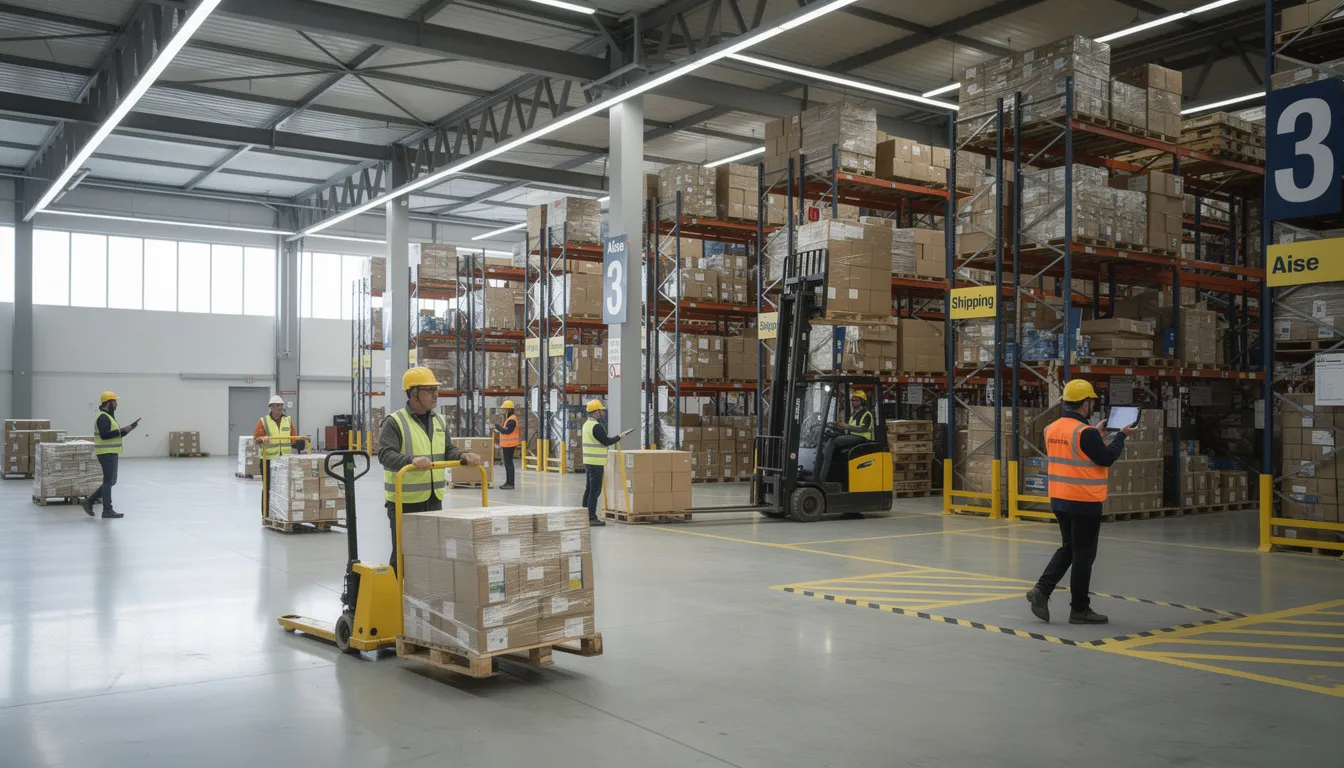
Indoor environments favor Bluetooth technology. Hospitals, manufacturing plants, and warehouses often find BLE asset tracking more effective and affordable than GPS-based systems.
A typical BLE setup includes:
- Small BLE tags on equipment like infusion pumps, laptops, pallets, or toolkits
- Fixed BLE gateways throughout the facility
- Software that maps asset locations by zones or rooms
- Alerts for assets leaving designated areas
BLE tags offer long battery life (2–5 years) and lower hardware costs ($10–40 per tag) without monthly fees. GPS struggles indoors due to signal blockage by buildings, making GPS+cellular trackers costly and less effective inside facilities.
For example, a distribution center might use BLE tags on thousands of pallets and GPS+cellular trackers on outbound trailers, combining cost-effective indoor tracking with reliable outdoor visibility.
Outdoor and Remote Environments: Hiking, Construction, and Agriculture
Outdoor and remote operations often lack reliable cellular and Bluetooth coverage. For activities like backcountry hiking, rural construction, and farming, standalone GPS or GPS with satellite communication devices (e.g., Garmin inReach) are essential, offering SOS alerts and location tracking even without cellular service.
GPS+cellular trackers can record GPS data offline and upload it once back in coverage, suitable for daily equipment monitoring but not real-time tracking. Bluetooth alone is ineffective in remote areas without nearby devices, except when dedicated gateways are deployed locally.
A mixed approach works well in large operations—for example, GPS+cellular trackers on tractors for wide-area tracking, combined with Bluetooth tags on smaller tools tracked via gateways in barns or sheds. This balances long-distance coverage for high-value assets with cost-effective short-range tracking for smaller items.
Technical Factors to Compare: Range, Accuracy, Battery, and Cost
Beyond use cases, technical specifications drive purchasing decisions for large deployments. The following subsections examine measurable criteria that matter in 2024 implementations: range, accuracy, battery life, and total cost.
These factors interact in important ways. Faster update rates drain batteries faster and increase data costs. Higher accuracy often requires denser infrastructure or more power-intensive position calculations. Understanding these trade-offs helps you balance performance against practical constraints.
Range and Coverage
GPS offers global outdoor tracking wherever satellites are visible, working the same in rural or urban areas as long as there is power and sky view. However, GPS alone cannot transmit location data; it requires cellular, satellite, or manual retrieval.
Cellular coverage depends on network operators and is strong in populated areas but patchy in rural or international regions. A cellular tracker may work well in one city but struggle in another due to coverage differences.
Bluetooth range is limited to about 10–100 meters indoors and up to 200–300 feet outdoors under ideal conditions. This makes BLE suitable for indoor zone or room-level tracking but unsuitable for assets moving beyond the premises.
Hybrid solutions combine these technologies: BLE provides detailed indoor tracking, while GPS+cellular handles long-distance transit and cross-border shipping with international data plans. For single-building operations, BLE alone is often sufficient and more cost-effective.
Accuracy and Real-Time Visibility
GPS provides outdoor accuracy of about 5–10 meters under normal conditions. Buildings, tunnels, and urban areas can reduce precision due to signal reflections. Advanced receivers can reach sub-meter accuracy, but typical devices have 3–10 meter accuracy.
Bluetooth tracking works well indoors, achieving 1–3 meter accuracy with a dense network of gateways and proper setup. This makes it suitable for locating specific items inside buildings.
Cellular networks do not improve location accuracy. Cell tower triangulation offers rough estimates of 50–500 meters, enough for general area tracking but not precise positioning. Cellular mainly enables frequent updates and real-time monitoring.
Update frequency depends on settings:
- GPS + cellular trackers update every 10–60 seconds during movement
- Some devices update every 5–15 minutes to save battery
- Bluetooth provides near real-time updates within gateway range
Lower update rates help extend battery life and reduce data costs, with some delay in location updates accepted.
Battery Life and Power Consumption
Battery life represents one of the starkest differences between tracking technologies.
Bluetooth/BLE tags achieve 2–5 years on a single coin cell battery by transmitting small data packets at low frequency. This power efficiency makes BLE perfect for high-volume deployments where recharging or replacing batteries frequently would create operational burdens.
GPS+cellular trackers consume far more power. GPS satellite acquisition and cellular data transmission are both energy-intensive processes. Battery-powered GPS trackers typically last days to weeks depending on update frequency. Most vehicle trackers solve this by hardwiring to the car battery for continuous power.
Configuration options affect power dramatically:
- Motion-activated wake-up saves power when assets sit idle
- Solar panels extend battery life for outdoor asset trackers on trailers
- Reduced update frequency (every 15 minutes vs. every minute) significantly extends operation
Power limits affect which technology to choose. Items like tools or medical devices that can’t be recharged easily work best with BLE because it uses very little energy. For fewer, more valuable moving assets, GPS+cellular is worth the extra power and charging needs.
Costs: Hardware, Subscriptions, and Total Ownership
Understanding full cost requires examining hardware, subscriptions, and infrastructure investments together.
Hardware costs in 2026:
|
Device Type |
Typical Price Range |
|---|---|
|
BLE tags |
$10–$40 per tag |
|
GPS+cellular trackers |
$50–$200+ per device |
|
Standalone GPS (no cellular) |
$100–$400+ |
|
BLE gateways |
$100–$500+ each |
Subscription models for cellular trackers typically run $5–$25 per month per device for data and platform access. Some providers offer annual plans at reduced rates. Satellite messaging services for off-grid devices carry separate fees, often per-message or monthly.
BLE tags have no per-tag cellular fees but require infrastructure investment. A warehouse deployment needs BLE gateways throughout the facility, network connectivity, and management software. For large facilities, gateway and software costs can be substantial, but they scale across thousands of tags rather than incurring per-unit fees.
- Total cost of ownership includes factors beyond purchase price:
- Installation and configuration labor
- Battery replacement or recharging time
- Data plan costs over the device lifetime
- Platform subscription or software licensing
- Integration with existing systems (ERP, WMS, fleet software)
For complex operations like logistics and healthcare networks, blended architectures often deliver best ROI: GPS+cellular for transit visibility, BLE indoors for granular asset tracking, with platforms that unify both data streams.
Privacy, Security, and Compliance Considerations
All three tracking technologies reveal sensitive movement patterns. For example, a GPS tracker on a vehicle shows everywhere an employee drives, and BLE tags in a hospital track equipment and possibly the staff using it. It’s important to handle privacy and security carefully.
In recent years, some consumer Bluetooth trackers have been misused for unwanted tracking. Companies like Apple and Tile now include alerts to warn people if unknown trackers are nearby. Businesses should have clear policies about who is tracked and why.
GPS and cellular trackers send data over mobile and internet networks, so protecting that data is essential. Best practices include:
- Encrypting data during transmission
- Securing access with strong authentication
- Limiting who can see the data based on roles
- Regularly checking systems for vulnerabilities
Bluetooth systems may use public networks or private ones. Businesses usually choose private, encrypted networks to keep their asset movements safe from competitors or hackers.
Also, be sure to follow local laws about data privacy. When tracking people, getting clear consent and being transparent about the tracking is both legal and fair.
Hybrid Solutions: Combining GPS, Cellular, and Bluetooth
Modern tracking increasingly combines multiple radios in single devices or coordinated systems. A hybrid asset tracking device might include GPS for outdoor positioning, cellular for data transmission, and BLE for indoor detection, seamlessly transitioning between modes as assets move.
Consider a typical hybrid logistics operation:
- Trucks carry GPS+cellular trackers providing real-time highway visibility
- Pallets inside trucks have BLE tags broadcasting identifiers
- Warehouses deploy BLE gateways that detect tagged pallets entering and moving between zones
- A unified platform stitches together outdoor GPS data and indoor BLE positioning
This architecture maintains continuous visibility from factory floor to customer dock without requiring expensive GPS+cellular trackers on every pallet.
Benefits of hybrid approaches include:
- Better accuracy across indoor and outdoor environments
- Fewer blind spots during facility-to-road transitions
- Optimized power usage (BLE indoors, GPS powered down when unnecessary)
- Cost efficiency by matching technology to asset value and tracking needs
Hybrid designs have become increasingly standard in IoT asset tracking solutions launched between 2022 and 2026. Manufacturers recognize that single-technology approaches leave gaps that frustrate customers and limit practical utility.
Summary
GPS, cellular, and Bluetooth tracking technologies serve different purposes, and understanding the distinction prevents costly mistakes.
- GPS calculates precise outdoor location using satellites.
- Cellular transmits GPS data over mobile networks for real-time visibility.
- Bluetooth (BLE) detects nearby items within short range, typically indoors.
Most commercial “GPS trackers” combine GPS + cellular to deliver live tracking for vehicles, fleets, and high-value mobile assets. Bluetooth excels indoors, offering long battery life and low-cost deployment for tools, equipment, and inventory.
Each technology has trade-offs in range, accuracy, battery life, and total cost. GPS struggles indoors. Cellular requires monthly subscriptions. Bluetooth cannot track beyond gateway or smartphone range.
In modern deployments, hybrid systems often deliver the best results, GPS + cellular for outdoor movement and long-distance transit, BLE for indoor zone-level visibility.
The right solution depends on distance, environment, update frequency, power availability, and asset value.
Frequently Asked Questions
What is the main difference between GPS, cellular, and Bluetooth tracking?
GPS calculates location using satellites.
Cellular transmits that location to the cloud.
Bluetooth detects items within short range through nearby devices.
They solve different problems and are often combined in one device.
Does cellular tracking determine location?
No. Cellular networks do not calculate position. They only transmit GPS data or, in some cases, provide rough triangulation estimates that are much less accurate than GPS.
How accurate is GPS tracking?
Standard consumer GPS typically provides 5–10 meter accuracy outdoors. Accuracy drops indoors or in dense urban areas where buildings block satellite signals.
How far can Bluetooth trackers work?
Bluetooth Low Energy (BLE) usually works within 10–100 meters depending on obstacles. Crowdsourced networks can extend effective range in populated areas, but only if nearby devices participate.
Do GPS trackers require a subscription?
GPS-only devices do not require cellular plans but may require satellite messaging fees.
GPS + cellular trackers require a monthly data subscription, typically $5–$25 per device.
Which tracking technology is best for vehicles?
GPS + cellular trackers are best for vehicles because they provide real-time tracking, trip history, geofencing, and alerts across cities or states.
Posted by Kellie Kendall on Feb 26th 2026