




Top 5 Use Cases for a GPS Tracker
Over the last few years, I’ve seen GPS trackers shift from niche gadgets into everyday tools. Business owners use them to monitor work vehicles, parents track teen drivers, and contractors rely on them to protect valuable equipment.
With a small device connected to a 4G/LTE network, you can see exactly where a vehicle or asset is through a simple smartphone app.
Adoption has grown rapidly since 2020 as trackers became more affordable and battery technology improved. Industry forecasts now expect the global GPS tracking market to approach $10 billion by 2030, growing around 17% annually. In the U.S. alone, more than 170 million people already use some form of location tracking device beyond their smartphone.
This article covers the five main use cases for GPS trackers:
- Vehicle and fleet tracking
- High-value assets and equipment
- Personal safety and family location sharing
- Shipments, deliveries, and everyday belongings
- Pets, bikes, and outdoor gear
Rather than abstract theory, each section focuses on concrete, real-world examples, work vans, construction tools, luggage, bikes, and pets. Whether you run a small business or simply want peace of mind for your family, you’ll find practical sub-use cases and tips tailored to your situation.
Vehicle & Fleet Tracking
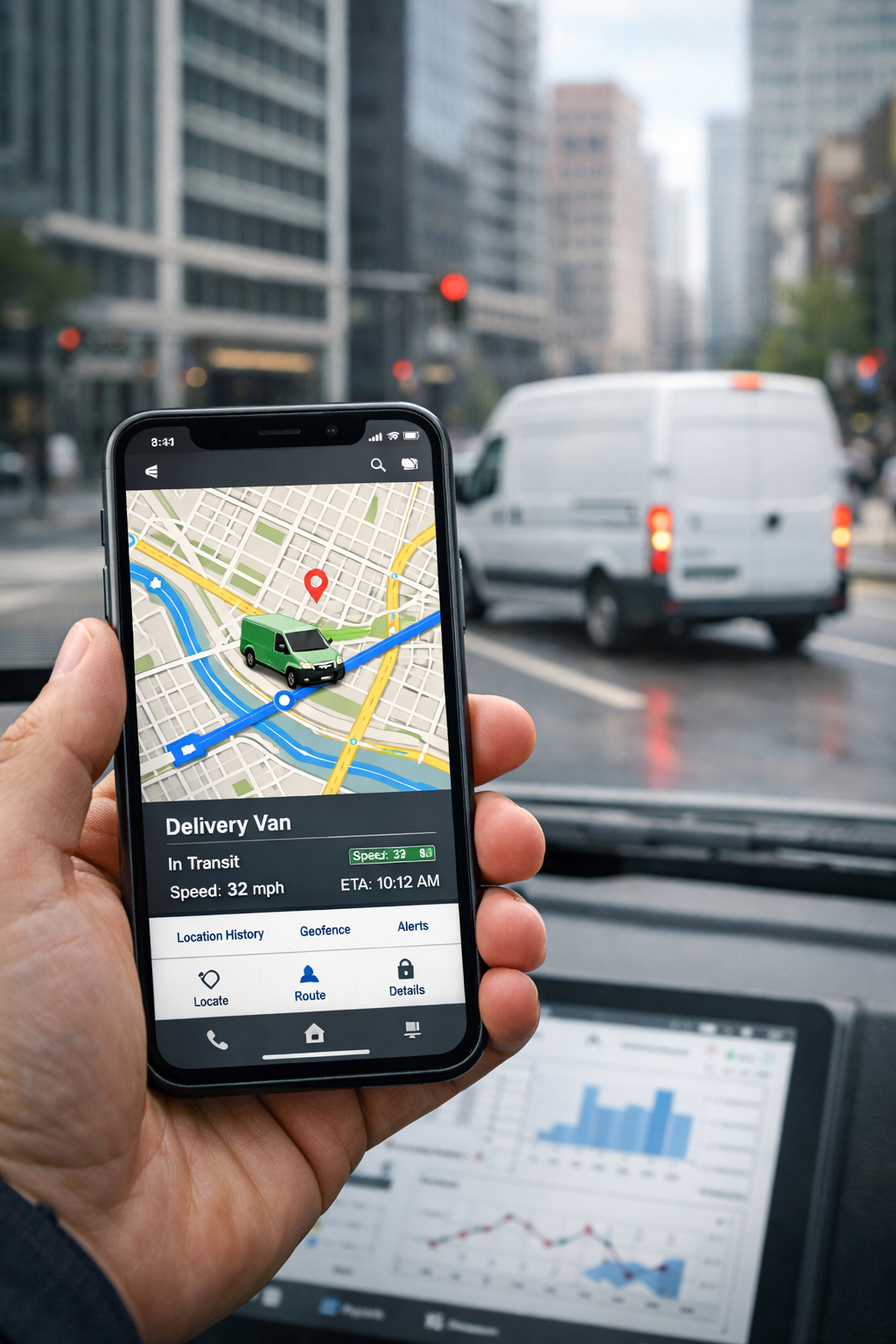
From what I’ve seen, vehicle and fleet tracking is one of the most common reasons people install a GPS tracker. Small businesses use fleet GPS tracking systems to monitor service vans, delivery companies track their drivers, and many families even install trackers on personal vehicles for added security. Today, GPS tracking is no longer limited to large logistics companies. Affordable devices and easy installation options have made it practical for businesses of all sizes.
Most setups are simple. A single tracker installed in a vehicle, whether it’s plugged into the OBD port, hardwired to the vehicle’s power system, or discreetly hidden inside the frame, can provide real-time location updates, trip history, and alerts through a mobile or web app.
Common vehicles that use GPS tracking include:
- Delivery vehicles
- Trucking fleets
- Personal cars
- Motorcycles
Theft Recovery
Vehicle theft remains a serious concern for both businesses and individuals. When a vehicle disappears, a vehicle GPS tracker can make the difference between losing it permanently and recovering it quickly.
If a work van or personal vehicle is stolen, you can open the tracking app and immediately see its location. In many cases, those live coordinates can be shared directly with law enforcement to speed up recovery. In real-world situations, some fleet operators have recovered stolen vehicles within hours, avoiding insurance claims, lost productivity, and expensive downtime.
Productivity & Route Optimization
For businesses with multiple vehicles, GPS tracking is a powerful productivity tool, not just a security device.
Fleet data reveals how drivers spend time on the road. By analyzing routes, stops, and idle time, managers can schedule more jobs and reduce unnecessary driving.
For example, Crown Uniform & Linen Service cut idle time from 7 to 70 minutes per vehicle daily, saving $1,500 to $2,000 monthly in fuel costs across 30 vehicles. Modern GPS platforms also offer route optimization, helping dispatchers adjust routes based on real-time traffic and job locations to maximize efficiency.
Driver Accountability & Safety
Another major benefit of GPS tracking is improved driver accountability and safety. Instead of guessing how vehicles are being used, managers can receive alerts and reports that highlight risky or inefficient driving behavior.
Typical monitoring features include:
- Speed alerts when drivers exceed safe limits
- Harsh braking detection that may indicate unsafe driving
- Real-time vehicle visibility for dispatch and scheduling
For example, when the City of Fort Lauderdale implemented fleet tracking, they reported:
- 20% reduction in idle time
- 28% reduction in vehicle downtime
- 5% decrease in fuel consumption
These improvements translate directly into lower operating costs and safer driving habits.
Maintenance & Insurance Benefits
GPS tracking data can also help businesses manage vehicle maintenance more efficiently. Instead of relying on fixed service intervals, managers can schedule maintenance based on actual mileage or engine hours.
This approach reduces unnecessary service visits while helping prevent costly breakdowns. Some insurance providers now offer usage-based insurance programs as well. These programs use real driving data, such as mileage, speed, and driving habits, to adjust insurance premiums.
While vehicles are one of the most common uses for GPS tracking, many businesses also rely on trackers to monitor valuable equipment and assets that move between locations.
Tracking High-Value Assets & Equipment
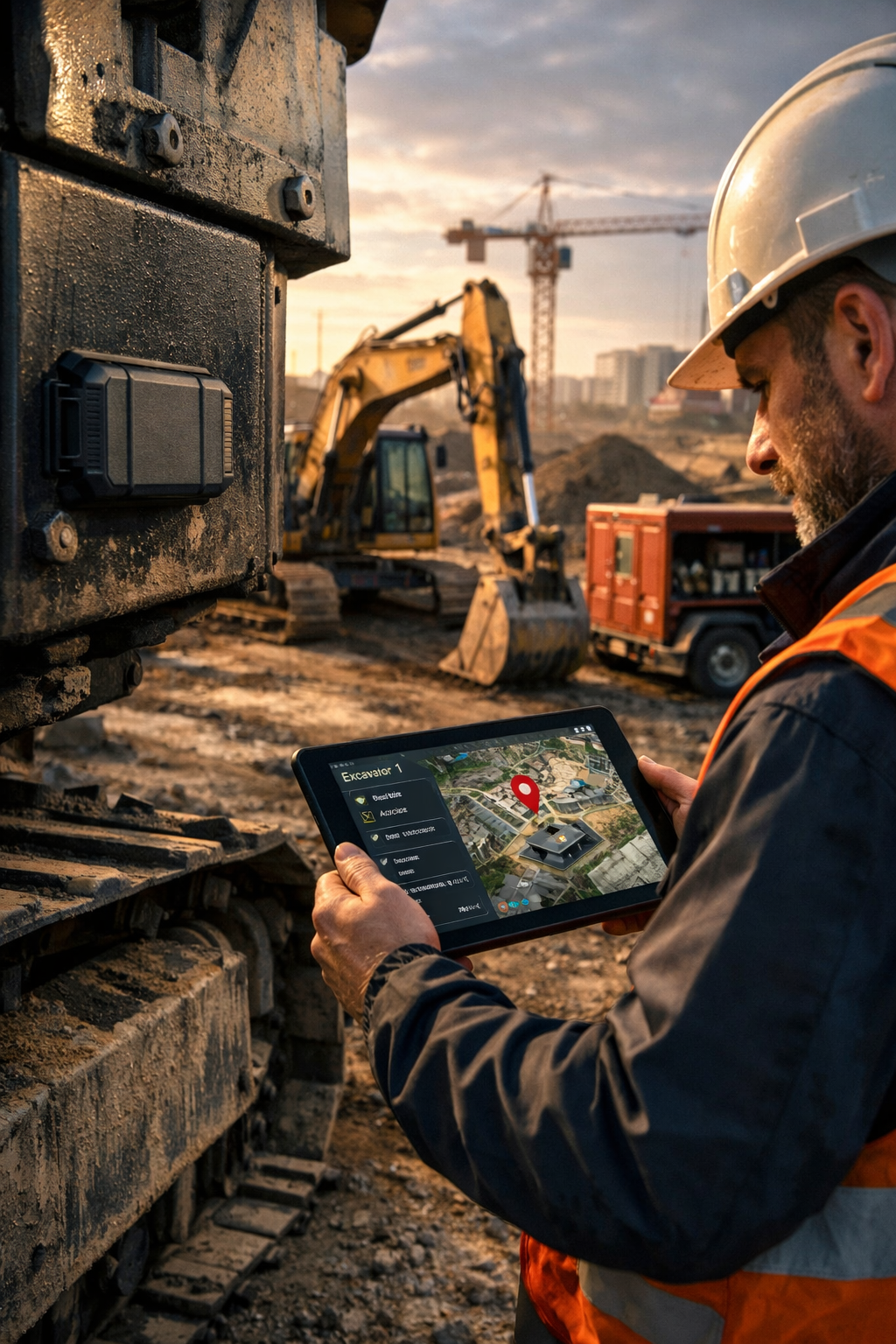
When people talk about GPS tracking, vehicles usually come to mind first. But in many industries, tracking valuable equipment and assets is just as important.
In this context, an “asset” can mean anything valuable that moves between locations, construction machinery, trailers, rental equipment, generators, tools, or even donation bins. If losing it would cost your business money, it’s usually worth tracking.
Today’s asset GPS trackers are small enough to hide inside equipment frames, trailers, or storage compartments. Depending on how often they report location, some modern LTE-M or NB-IoT trackers can operate for months or even years on a single battery.
Construction & Job Sites
Construction companies face constant equipment monitoring challenges. A construction firm might fit mini-excavators, compressors, and tool trailers with GPS to combat job site theft and unauthorized movement. Hidden trackers make it possible to locate stolen equipment quickly, while geofencing features send instant alerts if a tracked item leaves the job site boundary outside business hours. This combination of theft prevention and real time monitoring significantly reduces losses of valuable tools and heavy equipment.
Rental Companies
Rental businesses benefit enormously from asset management through GPS. Companies renting scissor lifts, trailers, and e-bikes can confirm their equipment is actually on-site with the customer, track overdue returns, and quickly recover stolen items. GPS data also reveals utilization patterns, showing which assets sit idle versus which are overused, enabling smarter purchasing and servicing decisions.
Non-Profits & Specialized Use
Even non-profit organizations use trackers on donation bins and collection containers. When bins are stolen or moved without authorization, the exact location appears on a map, making resource management much simpler. This applies to any organization managing distributed physical assets across remote locations.
The key benefits across all these industries:
- Theft prevention and quick recovery when items go missing
- Geofencing alerts for unauthorized movement
- Reduced insurance claims and improved service reliability
Personal Safety & Family Location Sharing
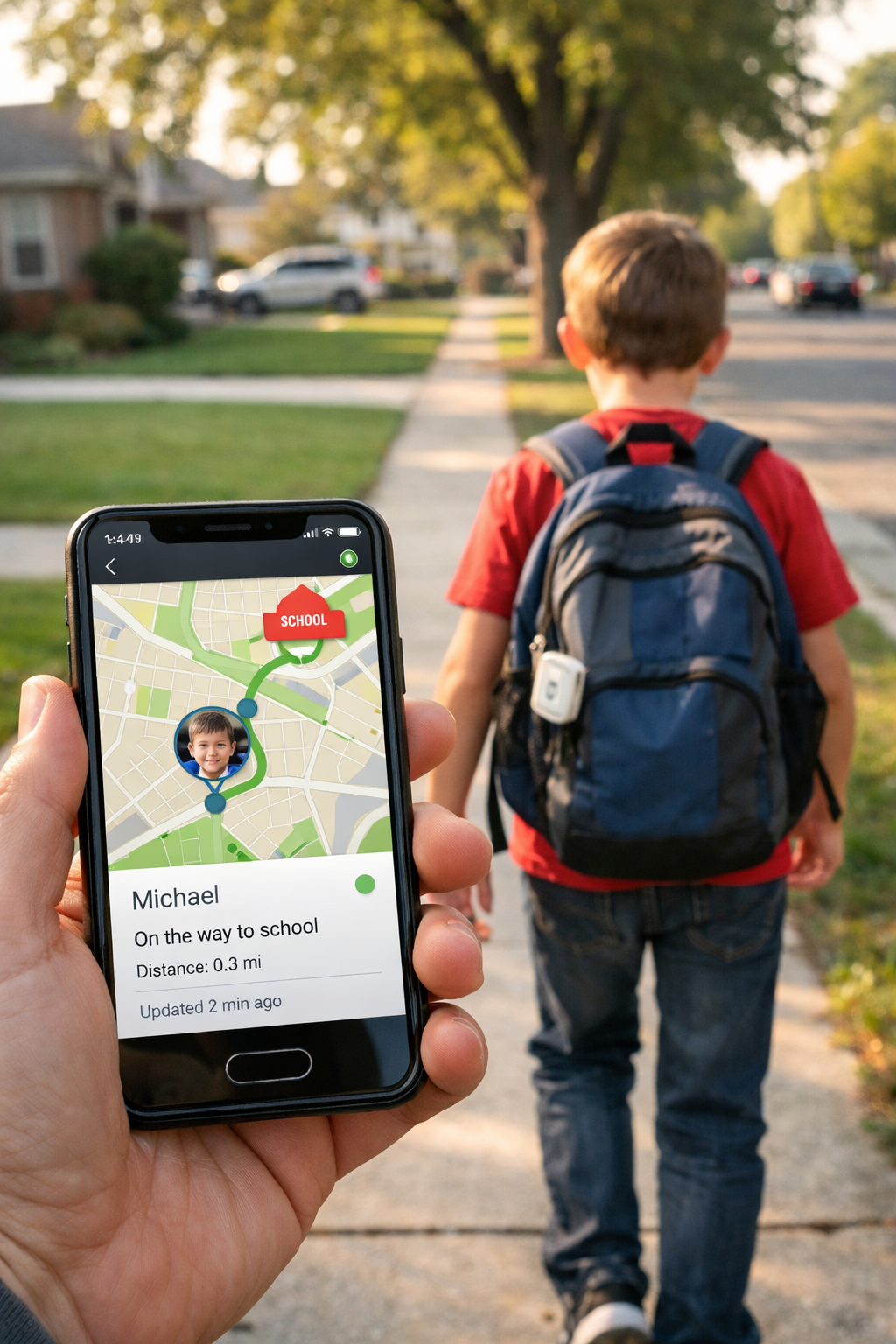
GPS trackers are also widely used for personal safety. Parents, caregivers, and solo travelers often rely on them to share real-time location with trusted family members. Small wearable trackers can be clipped to a backpack, placed in a pocket, or attached to a keychain. Some models even include an SOS button that sends an emergency alert along with the user’s location.
Because many of these devices work independently from smartphones, they are especially useful for children, elderly family members, or anyone who may not always carry a phone. For many families, this simple visibility provides extra peace of mind.
Kids
Parents tracking school commutes, field trips, or crowded events gain peace of mind knowing they can check their child’s location at any moment.
Theme parks, festivals, and large venues present particular challenges where a GPS tracker provides that added layer of security. Location history features let parents review routes and stops after the fact, identifying any patterns that warrant discussion.
Elderly Care
GPS devices designed for people with dementia or Alzheimer’s include features like geofences around home or care facilities and alerts if the wearer wanders beyond safe boundaries. Emergency services can be notified faster when a tracker shows exactly where a vulnerable person has gone. Caregivers report significantly improved peace of mind and faster emergency response times when using dedicated tracking devices.
Outdoor Activities & Travel
Hikers, runners, cyclists, and campers benefit from sharing live GPS location during long runs, mountain hikes, or solo road trips. Many outdoor enthusiasts now consider a GPS tracker as essential as a first aid kit. Students studying abroad or digital nomads in unfamiliar cities use trackers or GPS apps to share their route with trusted contacts back home, improving public safety through visibility.
Privacy & Consent
When tracking adults, clear communication and documented consent are essential. Follow local privacy regulations, and always ensure the person being tracked understands and agrees to the arrangement. GPS tracking technology should improve safety without creating surveillance concerns within families.
Shipments, Deliveries & Everyday Belongings
GPS trackers complement carrier tracking for parcels and LTL freight by giving the sender or recipient independent, real time location data. Instead of relying solely on carrier scans that update every few hours, you see exactly where your shipment is at any moment.
Business Shipment Monitoring
Businesses often place GPS trackers inside pallets or shipping containers to monitor high-value goods such as electronics, medical devices, or retail inventory as they move from the warehouse to the customer. This level of visibility lets operations teams detect delays, route deviations, or long dwell times at hubs and proactively communicate with customers. Real-time ETA updates improve customer service and reduce support inquiries.
According to market research, logistics and fleet applications dominate the GPS tracking market, accounting for 40-50% of total market share. The demand for shipment visibility continues growing as e-commerce expands.
Courier & Same-Day Delivery
Local delivery companies track their vans or bikes to provide accurate status updates and proof of delivery. Customers increasingly expect real time updates showing their package’s exact location during the “last mile.” This transparency builds trust and reduces failed delivery attempts, benefiting both customer satisfaction and operational efficiency.
Consumer Luggage & Gear
Individual travelers place small trackers in checked luggage during flights. When a suitcase doesn’t appear on the carousel, a quick app check reveals whether it’s still at the departure airport, on a different plane, or somewhere in the sorting facility. This visibility reduces anxiety and speeds up recovery conversations with airline staff.
The same principle applies to laptops, cameras, or instrument cases when traveling. A tracker hidden in a camera bag provides insurance against both loss and theft, enabling quick recovery if personal belongings go missing.
Theft Recovery for Retailers
Retailers use hidden GPS tags in high-value goods or display items to help police track stolen merchandise after break-ins. Rather than accepting the loss, stores can share coordinates with emergency services and potentially recover inventory the same day.
Sustainability & Efficiency
Using location data to optimize routes reduces failed delivery attempts, cuts fuel use, and lowers carbon emissions. Companies that track their delivery operations can identify inefficiencies, excessive idling, redundant routes, unnecessary stops, and make data-driven improvements. These operational gains align with both cost reduction and environmental goals.
Pets, Bikes & Outdoor Gear
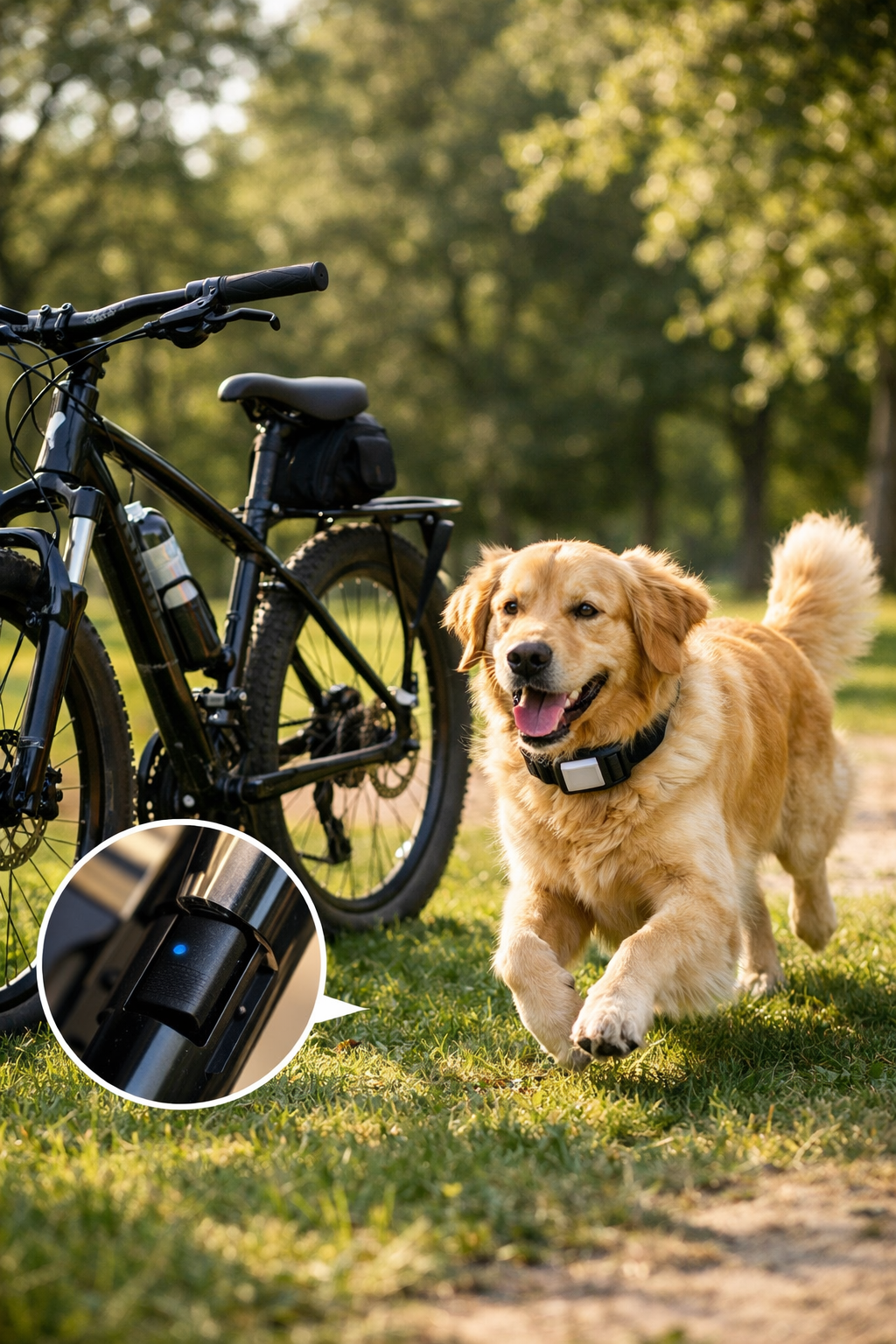
This “everyday life” category covers GPS trackers used on pets, bicycles, scooters, boats, and recreational vehicles. These applications focus on preventing loss and theft of the things and creatures that matter most in daily life.
Pet Trackers
Lightweight, waterproof devices attached to a dog’s or cat’s collar show live location and send escape alerts when a pet leaves the yard or park. Research indicates that 74.4% of pet owners who have lost a pet subsequently purchased a GPS tracker, and over 90% of tracker users report feeling more secure since equipping their pet.
Practical scenarios include:
- Off-leash hikes where a dog might chase wildlife
- Dog parks with gaps in fencing
- Camping trips in unfamiliar territory
- Traveling with pets in new cities where an animal might bolt or get disoriented
With an estimated 10 million pets lost per year in the U.S., GPS tracking offers a meaningful safety net beyond microchips and collar tags.
Bikes & Micromobility
Hidden GPS trackers embedded in e-bikes, cargo bikes, or electric scooters combat urban theft and enable quick recovery when stolen. Electric bikes in particular represent significant investments, and their growing popularity has made them prime targets. A tracker hidden in the frame or battery compartment provides theft prevention without advertising its presence to would-be thieves.
Boats, RVs & Recreational Equipment
Trackers installed on boat trailers, jet skis, kayaks, or small boats stored at marinas detect unauthorized movement. RV and camper owners use GPS on their vehicles during summer road trips and leave trackers active during winter storage. Any unexpected movement triggers an alert, whether from theft or a tow company removing vehicles without authorization.
Durability Factors
For outdoor and pet applications, specific features matter more than in vehicle or fleet contexts:
- Waterproofing (IP67 or IP68 rating)
- Long battery life with minimal weight
- Secure mounting options (collar clips, frame mounts, hidden compartments)
These trackers prioritize ruggedness and battery life over the real-time accuracy that fleet management demands. An update every 10 minutes is perfectly adequate for a pet or bike, while a vehicle fleet might need updates every 30 seconds.
How to Choose the Right GPS Tracker for Your Use Case
Selecting the right tracker means connecting your specific use case to the features that matter most. Not every tracker works equally well for every application.
Battery Life vs. Update Frequency
Vehicle and fleet users typically prefer hard-wired or OBD-powered trackers that provide constant power and real time tracking with updates every few seconds. Asset and personal use often calls for long battery life standalone units that update less frequently, hourly or when movement is detected, but run for months or years without charging.
Size, Connectivity & Durability
Not every GPS tracker is designed for the same job. The right device depends on how it will be used, the environment it operates in, and how often it needs to report its location.
|
Use Case |
Ideal Device Type |
Connectivity |
Durability |
|
Fleet vehicles |
Compact hardwired or OBD tracker |
4G LTE (Cat-1 / Cat-M1) |
Moderate |
|
Heavy equipment |
Rugged concealed asset tracker |
LTE-M (Cat-M1) |
High (IP67–IP68) |
|
Personal safety |
Pocket-size wearable tracker |
4G LTE |
Moderate |
|
Shipments & logistics |
Small battery-powered tracker |
LTE-M / BLE + LTE |
High (IP67+) |
|
Pets & outdoor gear |
Lightweight collar or mountable tracker |
4G LTE |
High (IP67–IP68) |
Features That Matter for Business
Business users should prioritize geofencing, movement and tamper alerts, and historical reporting for audits or compliance documentation. Fleet operators need driver accountability features like speed alerts and trip logs.
Asset managers benefit from utilization reports showing which equipment sits idle versus which needs servicing.
Start Small, Then Scale
Consider deploying trackers on a small scale first, perhaps on your three most valuable assets or two most theft-prone vehicles. Measure the results over 60-90 days: Did you recover a stolen item? Did route data reveal inefficiencies? Did tracking reduce unauthorized usage? Once ROI is clear, scaling up becomes an easy decision backed by real data from your own operation.
The GPS tracking market continues expanding because trackers deliver measurable value across various industries. Whether you’re protecting a fleet of service vans, monitoring construction equipment across multiple job sites, keeping tabs on elderly family members, or simply ensuring your bike makes it through another summer, a well-chosen tracker pays for itself in prevented losses, increased productivity, and simple peace of mind.
Conclusion
GPS trackers have evolved from specialized tools into practical devices used by both businesses and individuals.
From fleet vehicles and construction equipment to shipments, pets, and personal safety, GPS tracking provides real-time visibility and valuable location data. Choosing the right tracker depends on your specific needs, whether that’s continuous vehicle monitoring or long-battery tracking for assets and belongings.
Businesses often rely on professional GPS tracking solutions to improve security and operational efficiency.
As tracking technology becomes more affordable and reliable, GPS trackers continue to offer a simple but powerful way to improve security, efficiency, and peace of mind.
Frequently Asked Questions
What is a GPS tracker used for?
A GPS tracker is used to monitor the real-time location of vehicles, assets, people, or belongings. Businesses commonly use GPS trackers for fleet management and equipment monitoring, while individuals use them for vehicle security, personal safety, pet tracking, and travel luggage monitoring.
How does a GPS tracker work?
A GPS tracker receives location data from GPS satellites and then sends that information to a mobile app or online platform using cellular networks such as 4G LTE, LTE-M, or NB-IoT. Users can view the device’s location, movement history, and alerts directly on their smartphone or computer.
Can GPS trackers work without a smartphone?
Yes. Many GPS trackers operate independently of smartphones. The tracker collects location data and sends it to a cloud platform through a cellular connection. Users can access that data later through a mobile app or web dashboard.
Are GPS trackers legal to use?
In most regions, GPS trackers are legal when used on vehicles or assets that you own. However, tracking another adult without their knowledge or consent may violate privacy laws. Always check local regulations and ensure proper consent when tracking people.
How long does a GPS tracker battery last?
Battery life depends on the device type and how often it reports its location. Hardwired vehicle trackers use the vehicle’s power and can operate continuously, while battery-powered asset trackers can last from several months to multiple years depending on update frequency.
Posted by Kellie Kendall on Mar 12th 2026