




Best GPS Tracker in 2026: How to Choose the Right One for Your Family, Car, or Business
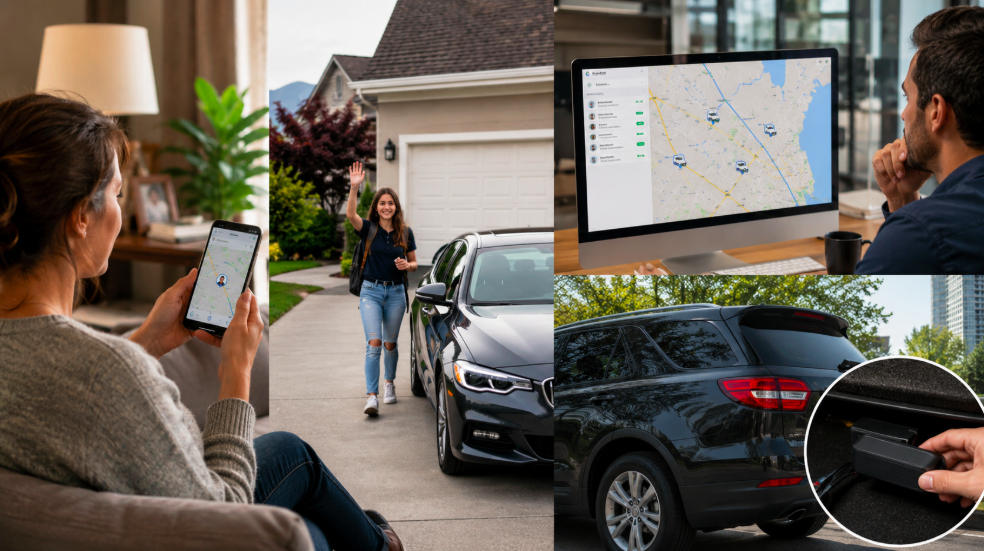
If you've ever had a close call, a teenager who came home later than expected, a car that wasn't where you left it, or a piece of equipment that went missing from a job site, you already understand why so many people are searching for the best GPS tracker right now.
The good news is that GPS tracking devices have never been more reliable, affordable, or easy to use. The challenge is that "best" depends entirely on what you're protecting. A car GPS tracker built for a teen driver works differently than one built for a work truck, a piece of luggage, or an aging parent who wants to stay independent.
This guide breaks down what a GPS tracker actually is, how it works, and which tracking device fits your specific situation, so you can choose with confidence and get back to keeping tabs on what matters most.
Quick Answer: Best GPS Trackers by Use Case
- Best overall for families and vehicles: A cellular battery powered tracker with real time updates and geofencing
- Best for covert vehicle protection: A hidden, hardwired or magnetic tracker with no visible wiring
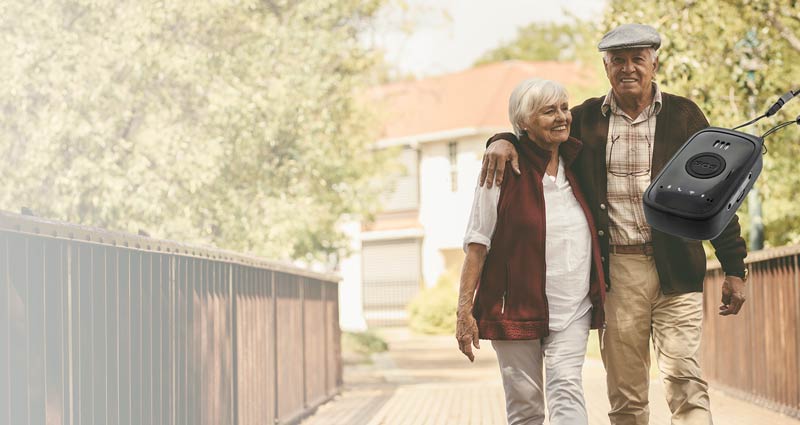
- Best for teens and elderly loved ones: A wearable or pocket tracker with an SOS button
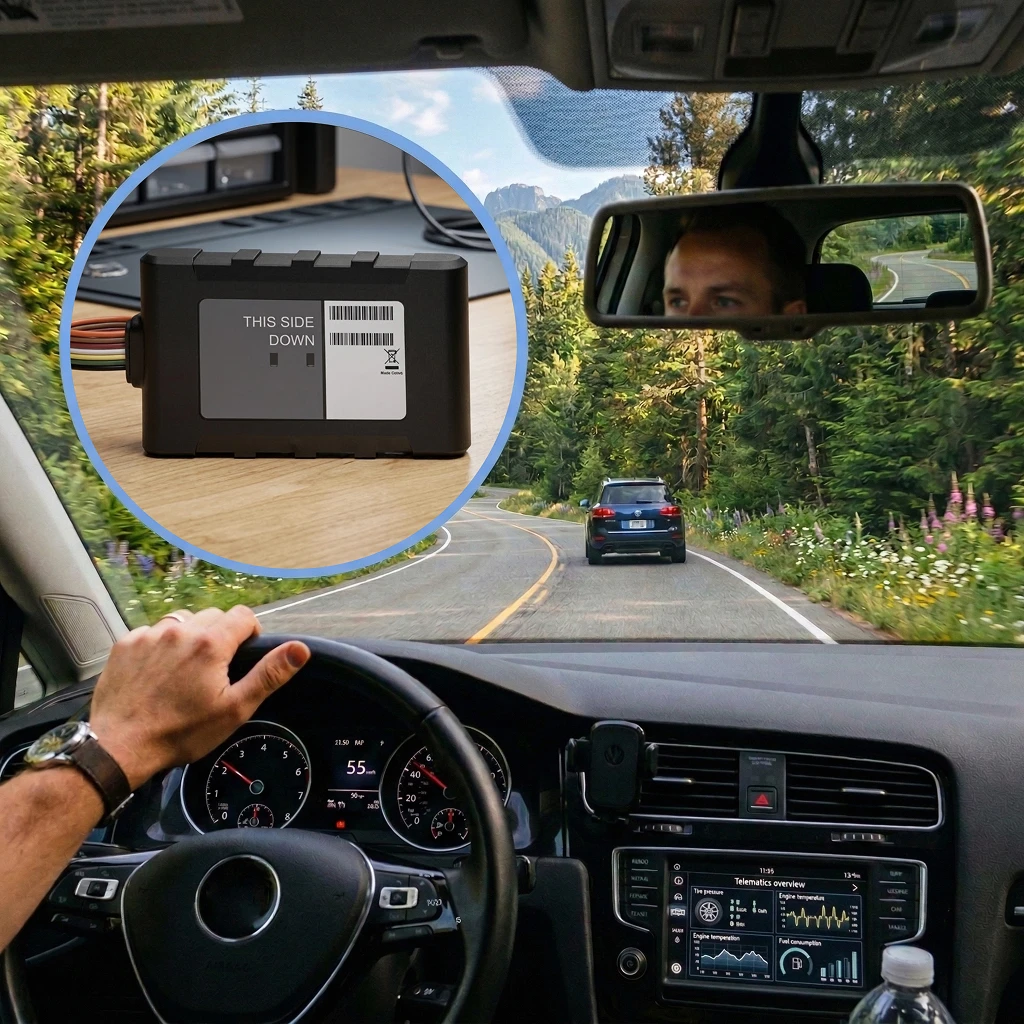
- Best for small business fleet management: A hardwired tracker with driver behavior and idle-time reporting
- Best for long-term asset tracking: A long battery life (3 to 6 month) magnetic trackers
What Is a GPS Tracker?
A GPS tracker is a small device that uses satellite signals to determine its location and sends this location data to an app or website so you can see it on a map, often through Google Maps integration. Unlike navigation systems, trackers show where a vehicle, person, or object is in real time and where it has been.
Most modern GPS tracking devices are active, transmitting tracking data continuously over cellular networks, which means they may need frequent charging compared to passive devices. People use them to monitor vehicles, teens, elderly loved ones, valuable assets, or recover stolen property. Choosing the right tracker depends on your specific needs.
How GPS Tracker Works and Its Type
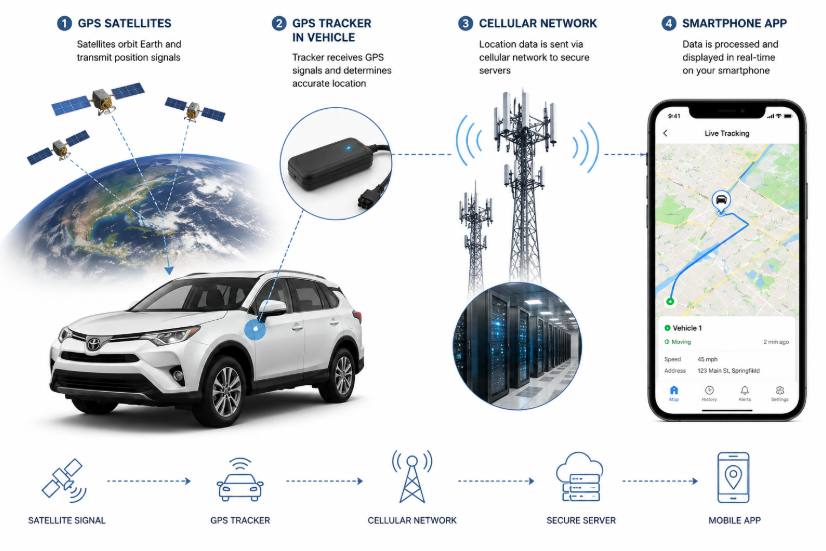
GPS stands for Global Positioning System, a network of more than 30 satellites orbiting the Earth, operated by the U.S. government and available for free public use worldwide. Each satellite continuously broadcasts a signal containing its exact position and the precise time it was sent. You can read more about how the system is maintained directly on GPS.gov, the official U.S. government site for the Global Positioning System.
A GPS receiver, the chip inside your tracker, phone, or car's navigation system, picks up signals from at least four of these satellites at once. By calculating how long each signal took to arrive, the receiver measures its distance from each satellite. With four or more distance measurements, it can pinpoint its own location on Earth through a process called trilateration, accurate to within a few meters under clear sky conditions.
This satellite system only tells the device where it is. On its own, GPS has no way to share that location with you. That's where the rest of the tracker comes in.
The Three Components of Every GPS Tracker
- GPS satellite reception: The device communicates with satellites orbiting the Earth, as explained above, to determine its exact position (latitude, longitude, and sometimes altitude).
- Cellular data transmission: Most modern trackers use a SIM card and 4G LTE cellular data to send location data to a server, the same way your phone sends a text message.
- App or web platform: The server processes the tracking data and displays real time location updates on a map, often with extra details like speed, direction, stops, and historical routes.
This is why update frequency and network coverage matter so much for real time tracking. A tracker that delivers real time updates every 30 to 60 seconds on a strong cellular network gives you a near-live picture of where someone or something is. A device that updates only every 10 minutes, or relies on weak coverage, can leave you with frustrating gaps right when you need information most.
Types of GPS Trackers Explained
| Type | How It's Installed | Best For | Battery Life |
|---|---|---|---|
| Hardwired | Connects directly to a vehicle's electrical system | Permanent vehicle tracking, fleets, theft recovery | Unlimited (vehicle powered) |
| OBD-II Plug-In | Plugs into the OBD port under the dashboard | Daily drivers, easy installation, vehicle diagnostics | Unlimited (vehicle powered) |
| Battery Powered / Magnetic Mount | Attaches with a magnetic mount or sits in a bag, glovebox, or pocket | Covert monitoring, rarely-driven vehicles, valuable assets | 2 weeks to 6+ months |
| Bluetooth Item Finder (e.g., Apple AirTag, Tile tracker) | Clips to keys or a belt clip, or stays loose in a vehicle | Nearby item finding, low-cost tracking | Up to 1 year |
OBD-II plug-ins deserve a special mention here because they offer easy installation and removal. There's no wiring involved. You simply plug the device into the OBD port under the dashboard, which makes them a popular choice for car owners who want real time location updates without a permanent installation.
Best GPS Trackers by Use Case
Not everyone needs the same kind of tracker. What works well for a parent keeping tabs on a teen driver looks very different from what a fleet manager needs for ten work trucks. Here's how to match the right tracker to your specific situation.



What to Look for in the Best One
Once you understand the basic categories, the next step is narrowing down based on the features that matter most for your situation. Here's what consistently separates a car GPS tracker that earns its place in your daily routine from one that ends up in a drawer.
1. Real Time Tracking Speed
Look for a tracking device that delivers real time location updates every 30 to 60 seconds while moving. This is the difference between knowing your car's location right now versus where it was 10 minutes ago, which matters a lot if a vehicle is stolen or a teen driver takes an unexpected detour. Vehicle theft remains common enough that this kind of fast response matters: the National Insurance Crime Bureau reported nearly 660,000 vehicle thefts nationwide in its most recent annual count, even after a multi-year decline.
2. Accurate Tracking and Location Accuracy
Accuracy depends mainly on satellite visibility rather than the brand of tracker. In open-sky conditions, most modern cellular GPS tracking devices offer accurate tracking within about 10 to 15 feet, with some models rated even tighter, down to around 6 feet, in good conditions. That said, accuracy can drop in dense urban areas, parking garages, tunnels, or under heavy tree cover, since these environments block or bounce the satellite signal during testing and everyday use alike.
3. Geofencing and Custom Alerts
A geofence is a virtual boundary you set on a map. The best trackers send instant notifications and alerts the moment a vehicle or person enters or leaves that area, whether that's a teen leaving the neighborhood, a fleet vehicle arriving at a job site, or equipment leaving a storage yard. Some trackers go further, offering impact detection and curfew alerts on top of standard geofencing, giving parents and fleet owners more context around how and when a vehicle is being driven.
4. App Simplicity Across Android and iOS Devices
You'll check this app often, sometimes during stressful moments. The best GPS tracking apps work equally well on Android devices and iOS devices, open directly to a live map, use plain-language notifications ("left the school zone" instead of a string of coordinates), and don't bury essential information behind extra clicks.
5. Durability and Waterproofing
If a tracker is going under a car, on a boat, or anywhere outdoors, water and dust resistance aren't optional. High waterproof ratings, such as IP67, are important for outdoor trackers, since they confirm the device can handle rain, road spray, and accidental submersion without failing when you need it most. The Apple AirTag, for comparison, also carries an IP67 rating despite being a much smaller, lower-power device.
6. Transparent Subscription Costs
Nearly all realtime GPS trackers require a monthly subscription to transmit location data via cellular networks. Subscription costs vary based on update frequency, features, coverage, and support.
Key points:
- "No monthly fees" often means prepaid service for a limited time, not unlimited tracking.
- Check cancellation policies before committing.
- Annual billing discounts are common.
- Higher-priced plans may include geofence alerts, detailed reports, and faster updates.
Understanding subscription costs helps you pick a tracker that fits your needs and budget without surprises. The best GPS tracker offers frequent real-time updates, accurate location, reliable coverage, an easy app with geofence alerts, suitable battery life, and clear subscription pricing.
Is It Legal to Track Someone?
This is one of the most common questions people have, and for good reason. In general, it's legal to place a GPS tracker on a vehicle you own or co-own, and parents can typically track vehicles used by their minor children. Tracking a vehicle owned by another adult, however, without their knowledge raises legal and privacy concerns that vary significantly by state.
If you're tracking a company vehicle, most states allow it as long as the business owns the vehicle, though a growing number require notifying employees or getting written consent. Because these laws differ from state to state and continue to evolve, it's worth checking your state's specific statutes or consulting a legal professional, particularly in situations involving another adult's vehicle or someone else's property.
Final Thoughts
The best GPS tracker isn't the one with the most features. It's the one that fits how you actually live, whether that means quietly protecting a family car, keeping tabs on a teen driver, giving an aging parent more independence, or running a small fleet more efficiently.
Start by identifying what you're protecting and how often you need updates, then match that to the tracking device (hardwired, OBD-II, battery powered, or Bluetooth) that fits your situation. From there, prioritize accurate tracking, long battery life suited to your use case, a simple app on Android and iOS, transparent monthly fees, and real customer support, and you'll have a GPS tracker that earns its place in your daily life rather than gathering dust.
Frequently Asked Questions
What is the most accurate GPS tracker?
How long does a GPS tracker battery last?
Do GPS trackers need a monthly subscription?
Is it legal to put a GPS tracker on someone else's car?
What's the difference between an Apple AirTag and a GPS tracker?
Posted by Todd Morris on Jun 16th 2026