




Best Personal GPS Tracker: The Complete 2026 Guide
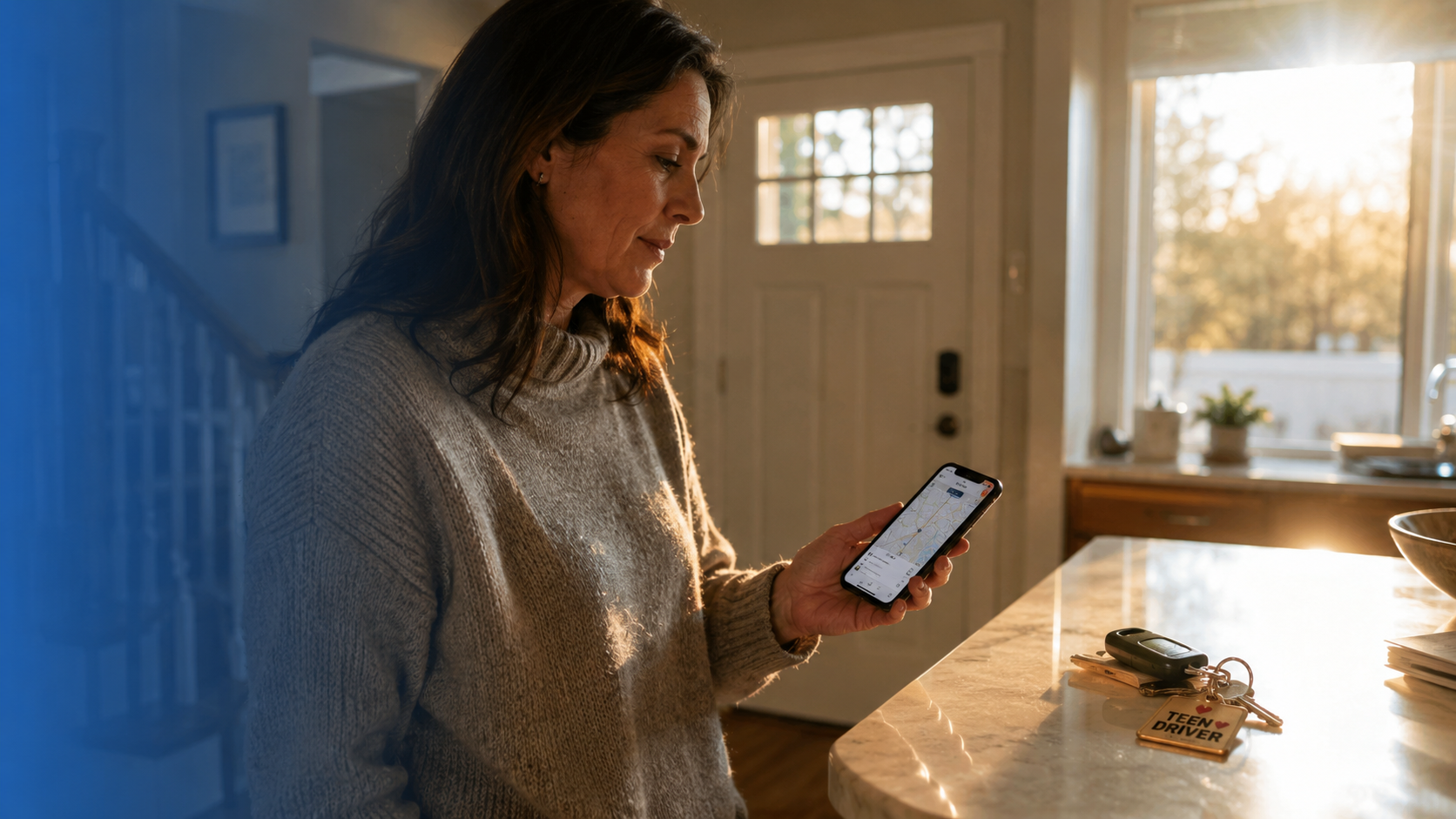
You leave the house. Your teenager takes the car. Your elderly mother lives alone across town. Your camera bag travels with a stranger to baggage claim. In each of these moments, knowing exactly where something or someone is would restore your calm.
That's exactly what the best personal GPS tracker delivers. Not a phone app that depends on a charged battery and a willing participant. A dedicated GPS device that quietly tracks location in real time, sends instant alerts when boundaries are crossed, and gives you a single tap to an SOS when things go wrong.
The global GPS tracking device market is expected to reach $4.25 billion, growing at 11.82% annually to $7.43 billion by 2030, driven by rising demand from families, fleet operators, and asset managers alike.
Why a Dedicated Personal GPS Tracker Beats Your Phone
Most people start with phone-sharing apps like Find My or Google Maps. They're free. They're familiar. But they come with real limits that matter when it counts.
The Problem with Phone Tracking
A shared phone location only works when the phone is on, charged, and connected to cellular or Wi-Fi. It also requires the other person to actively keep location sharing enabled. For a child, a vulnerable adult, or an asset like a bag or vehicle, that's simply not enough.
Phones run out of battery. Kids disable location sharing. And if a bag is stolen, the thief's first move is often turning the phone off. A dedicated personal GPS tracker removes all of that uncertainty. It operates independently, no smartphone required on the tracked end, and keeps reporting no matter what.
What a Real GPS Tracker Gives You
Dedicated trackers are purpose-built for one job: accurate tracking, consistently. Unlike Bluetooth trackers, which are only suitable for tracking close-by personal belongings or items lost in highly populated areas, a true GPS tracker connects directly to satellite networks and cellular infrastructure. The result is real-time visibility that travels with the person or asset anywhere.
Here's what that looks like in practice:
- Independent operation: No phone required on the tracked end
- Always-on GPS tracking: Reports automatically, every 30-60 seconds
- Longer battery life: Built to last days, not hours
- Emergency SOS: A physical panic button sends an alert instantly to preset contacts
- Geofencing: Automatic alerts when someone enters or leaves a defined zone
- Location history: A complete log of everywhere the device has been
- Motion detection: Some GPS trackers monitor activity passively without any user action
For parents, caregivers, and anyone keeping tabs on a valuable asset, the difference is meaningful.
What to Look for in the Best GPS Tracker for Personal Use
Before buying, these are the features that actually matter and how to evaluate each one honestly.
Real-Time Tracking and Update Intervals
The best personal GPS trackers usually update your location every 30 to 60 seconds. Some premium plans offer even faster updates. This is especially important when you're tracking someone who is moving, such as a child, senior, or traveler. It's also a good idea to choose a tracker with 4G LTE connectivity. Older 3G networks are being phased out, so 4G devices offer better reliability and long-term support.
It's also worth understanding the two main tracking technologies:
- Cellular (4G LTE) tracking is best for urban and suburban real-time tracking. It provides effectively unlimited range as long as there's cellular reception, which covers the vast majority of everyday use cases.
- Satellite connectivity is the right choice for wilderness, backcountry hiking, and maritime environments where cell towers simply don't exist. Devices like the Garmin inReach Mini 2 use satellite networks to deliver SOS capability and GPS tracking far beyond cellular coverage. For everyday family or asset tracking, though, cellular is faster and more practical.
Battery Life
Battery life is one of the most important considerations when choosing a portable GPS tracker. It ranges from 5 days to over 30 days depending on tracking frequency. More frequent real-time location updates drain the battery faster. For most personal use cases, 10-15 days is the practical sweet spot, long enough to go without thinking about charging, while still delivering dependable real-time data.
Some compact devices use a replaceable battery, which eliminates charging anxiety entirely for long trips or deployments where access to a USB-C charger isn't guaranteed.
SOS and Emergency Alerts
A built-in panic button is one of the most important features for personal safety use. When pressed, it immediately sends an alert including the accurate location to preset contacts. This single feature turns a GPS device into a genuine lifeline for elderly parents, solo hikers, or children in unfamiliar places.
Some advanced devices, like the Garmin inReach Mini 2, go further by offering satellite-based SOS that connects to emergency response coordination centers, a top priority for anyone venturing into areas beyond cellular range.
Geofencing
Many personal GPS trackers offer geofencing capabilities, sending alerts when the device moves in or out of designated zones. It's invaluable for monitoring a teen's drive to school, confirming a senior stays within a safe area, or knowing the moment a bag leaves a specific location. The best mobile apps let you set these zones visually on a map in under two minutes.
Subscription Costs
Almost all real-time GPS trackers require a monthly fee or annual plan for cellular data. Plans typically run $15 to $30 per month, or less on annual billing. Always factor in ongoing subscription costs, a "cheap" device with an expensive plan often ends up costing more than a mid-range device on a sensible plan.
Size and Portability
The best portable GPS trackers are compact enough to slip into a pocket, clip to a bag strap, attach to a collar, or hide inside a vehicle. For most personal use, look for a compact device. Smaller means easier to carry and less likely to be noticed or removed.
Waterproofing and Durability
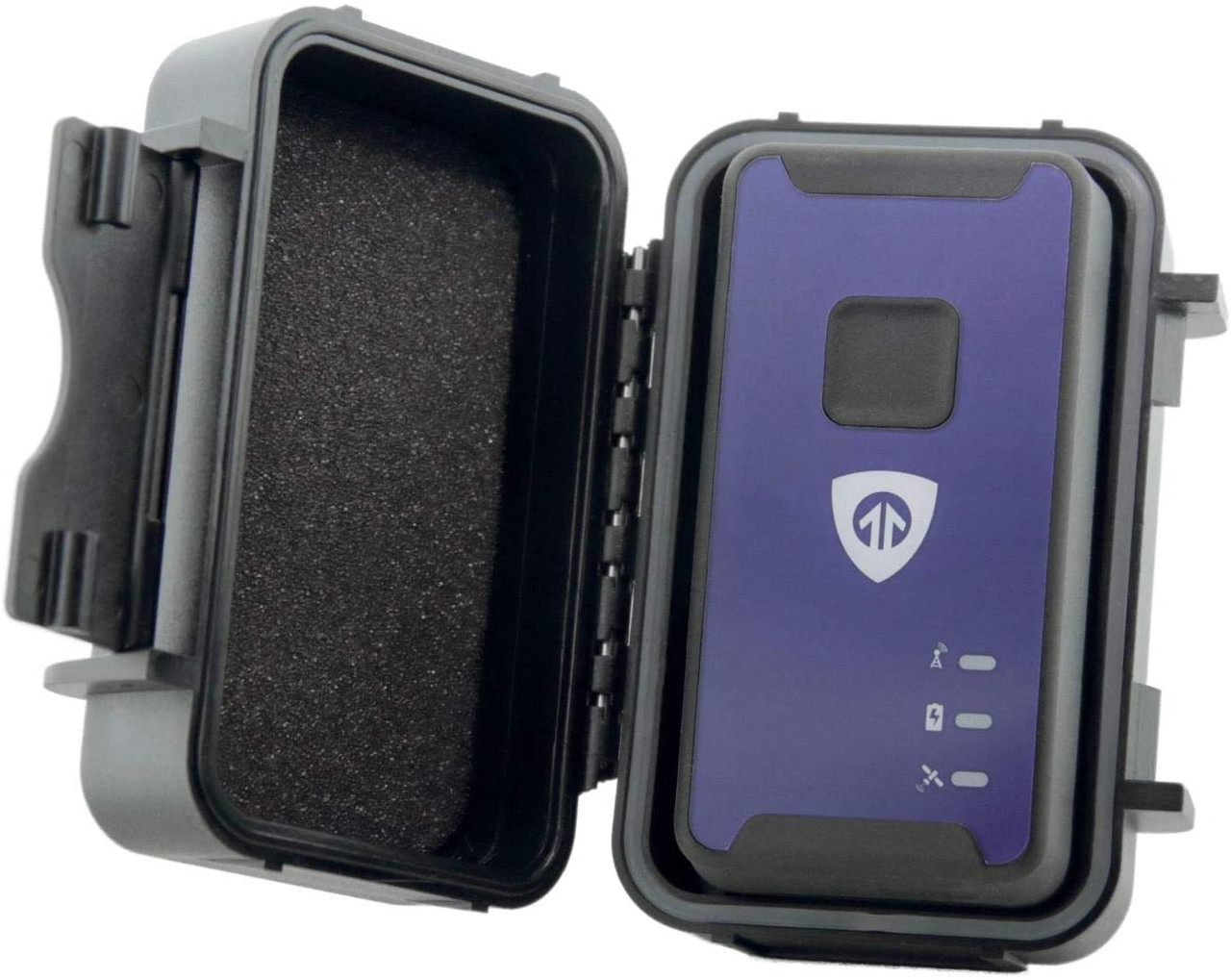
For everyday use, especially with kids or outdoors, a waterproof design is essential. Top GPS trackers are built to resist water, shock, and thermal stress, making them reliable in variable weather conditions. Most quality personal trackers include or offer a magnetic waterproof case that handles rain, splashes, and rough handling without compromising the GPS signal.
Best Personal GPS Trackers in 2026
There's no single best tracker for everyone, only the best one for your situation. Here are five options that consistently deliver on accuracy, battery life, and real-world reliability in 2026.

Best for Backcountry and Off-Grid
For users who venture beyond cellular coverage into the backcountry, open water, or remote terrain, Garmin units take over where cellular trackers stop.
The Garmin GPSMAP 67 is a standout choice for serious outdoor navigation. It features a quad-helix antenna that connects to multiple satellite networks for improved GPS accuracy in challenging environments like dense forests or slot canyons, with most modern handheld GPS units achieving accuracy within 10 meters. With WAAS support, that drops to 3 meters or less, a meaningful improvement when you're navigating terrain where precision matters.
The Garmin inReach Mini 2 is the compact choice for backcountry emergencies. It pairs satellite communication with an SOS feature that connects to professional emergency response, making it the right tool when cellular doesn't exist. Both devices sync with Garmin Connect and Garmin Explore for route planning and activity monitoring, and support smart notifications through their companion mobile apps.
GPS Tracker Comparison Table
| Feature | BrickHouse Spark Nano 7 | Garmin GPSMAP 67 | Garmin inReach Mini 2 |
|---|---|---|---|
| Network | 4G LTE (NA + International) | Satellite (multi-constellation) | Satellite (Iridium) |
| Update Interval | 60 sec (adjustable) | Continuous (offline) | 10 min (satellite) |
| Battery Life | 8-15 days | Up to 36 hrs (GPS on) | Up to 14 days (1x/10 min) |
| Location Accuracy | ~8 feet | ~3-10 meters | ~3-5 meters |
| SOS Button | Yes | No | Satellite SOS |
| Geofencing | Yes | No | No |
| Waterproof Design | Yes (case) | Yes (IPX7) | Yes (IPX7) |
| Monthly Fee | Yes (~$15-$30/mo) | No | Yes (~$15-$65/mo) |
| Mobile App | iOS + Android | Garmin Connect | Garmin Explore |
| Best For | Family, assets, everyday use | Hiking, outdoor navigation | Backcountry, maritime SOS |
GPS Tracker vs. Bluetooth Tracker vs. Handheld GPS: Which Do You Need?
Three very different technologies share the word "tracker." Here's how to choose.
| Real GPS Tracker (Spark Nano 7) | Bluetooth Tracker (AirTag / Tile Pro) | Handheld GPS (Garmin Units) | |
|---|---|---|---|
| How it works | Cellular (4G LTE) + GPS satellite | Bluetooth relay network | GPS satellite only |
| Range | Unlimited (nationwide/global) | ~30m Bluetooth range | Unlimited (no cell needed) |
| Real-time updates | Every 60 seconds | Only near a paired device | Continuous (offline) |
| Works without cell signal | No | No | Yes |
| SOS / emergency alert | Yes | No | Yes (inReach series) |
| Geofencing | Yes | Limited | No |
| Monthly fee | Yes (~$15-$30) | No | Varies by model |
| Best for | People, vehicles, luggage, everyday assets | Keys, wallet, items near home | Backcountry, hiking, maritime |
Read GPS Tracker vs Airtag.
Legal and Privacy Considerations
Using a GPS tracker responsibly means understanding the rules before you buy.
- Tracking your minor child is generally legal and widely accepted across all U.S. states as a parenting practice. Most families find that transparent use, telling their teen about the tracker, actually reduces tension rather than creating it.
- Tracking your own vehicle is legal as the registered owner, whether for personal use or monitoring how a company vehicle is being used.
- Tracking another adult without their knowledge or consent is illegal in most U.S. states and can constitute stalking or harassment. Always obtain informed consent before placing any tracking device on another adult's property.
- Tracking employees in company vehicles is legal in most states but typically requires written disclosure. California, in particular, mandates written notice to employees.
The goal of personal GPS tracking is visibility and safety, not surveillance. When in doubt, consult your state's specific statutes.
How to Set Up Your Personal GPS Tracker in Under 10 Minutes
Getting started with the BrickHouse Spark Nano 7 is genuinely straightforward.
- Charge the device: Connect to the included wall charger before first use
- Activate your subscription: Visit BrickHouseGPS.com and choose Basic, Plus, or Premium
- Download the app: Available on the Apple App Store (iPhone) and Google Play (Android)
- Log in: Use your subscription credentials on the mobile app or any web browser
- Place the tracker: Pocket, bag, vehicle, or attach magnetically to any metal surface
- Set geofences: Draw your safe zones directly on the map inside the app
- Configure alerts: Set speed thresholds, SOS contacts, and notification preferences
- Test it: Step outside the geofence boundary and confirm alerts fire correctly
From first charge to live tracking: under 10 minutes. No technical knowledge required.
Conclusion
The best personal GPS tracker is the one that fits how you plan to use it. If you need reliable real-time tracking for a family member, teen driver, elderly parent, luggage, or valuable belongings, a cellular GPS tracker offers the best balance of accuracy, convenience, and everyday practicality.
For most people, the BrickHouse Spark Nano 7 stands out because it combines real-time 4G LTE tracking, geofence alerts, an SOS button, and long battery life in a compact device that's easy to carry and simple to use. It delivers the features that matter most without adding unnecessary complexity.
If your adventures take you beyond cellular coverage into remote wilderness, backcountry trails, or open water, a satellite-based device like the Garmin GPSMAP 67 or Garmin inReach Mini 2 is the better choice.
At the end of the day, GPS tracking isn't just about knowing where something is. It's about having the confidence that you'll know when it matters most. Whether you're protecting a loved one, keeping tabs on a valuable asset, or preparing for your next outdoor adventure, the right GPS tracker can provide an extra layer of security and peace of mind wherever life takes you.
FAQ
What is the best GPS tracker for a person?
How long does a personal GPS tracker battery last?
Can you track someone with a GPS tracker without them knowing?
What is the difference between a GPS tracker and a Bluetooth tracker?
What is the best handheld GPS for outdoor use?
Posted by Todd Morris on Jun 5th 2026