




Car Trackers & GPS Vehicle Tracking Devices
Real-time GPS tracking for every vehicle, every need.
Finding the right car tracker starts with knowing what you need. Whether you want a simple plug-and-play OBD car tracker that takes seconds to install, a hardwired GPS tracking device for vehicles that runs 24/7 on your car's power, or a portable magnetic tracker you can move from one vehicle to another, BrickHouse Security has a solution built for you.
Every GPS tracker for vehicle monitoring in our lineup delivers real-time location updates, detailed route history, and instant alerts for speeding, geofence boundaries, and movement. Our car tracking devices work across cars, trucks, motorcycles, ATVs, and fleet vehicles, so you get accurate data no matter what you're tracking. Need a tracker for a car you want to monitor discreetly? Our magnetic and OBD options are built exactly for that. Looking for a vehicle tracker with no installation required? The TrackPort plugs in in under 10 seconds.
The BrickHouse GPS platform connects all your tracking devices in a single dashboard accessible from any browser or our free iOS and Android app. Set custom geofence zones, review 30-day trip history, and get real-time notifications by text, email, or push alert. Every vehicle GPS tracker includes lifetime customer support from our expert team, free 2-day shipping, and no long-term contracts. Plans start at $9.95 a month.
Trusted by families, small businesses, and enterprise fleet managers since 2005. We listen, we solve, we protect.
-


Simple plug and play GPS Vehicle Tracker.
-


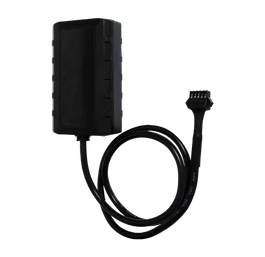
Vehicle-powered GPS tracker is hardwired for continuous, uninterrupted…
-


Plug-and-play design can easily move from one vehicle to another
-


Vehicle-powered GPS tracker supports a wide variety of sensors and acc…
-


Monitor driver behavior and road conditions LIVE
-
All-Terrain, All-Season GPS Tracker for Powersports Vehicles
-


Vehicle-powered GPS tracker is hardwired for reliable, uninterrupted v…
-


"Slap and Track" GPS Tracker lasts 140 days with our extended battery.
GPS TRACKERS FOR EVERY NEED
Understanding GPS Trackers for Cars and Vehicles
A GPS car tracker is a device that uses the Global Positioning System to determine and record its precise location in real time. It works by receiving signals from satellites orbiting the Earth and triangulating the device's position to within a few meters. That location data is then transmitted over a cellular network to a web dashboard or mobile app, where you can view it instantly.
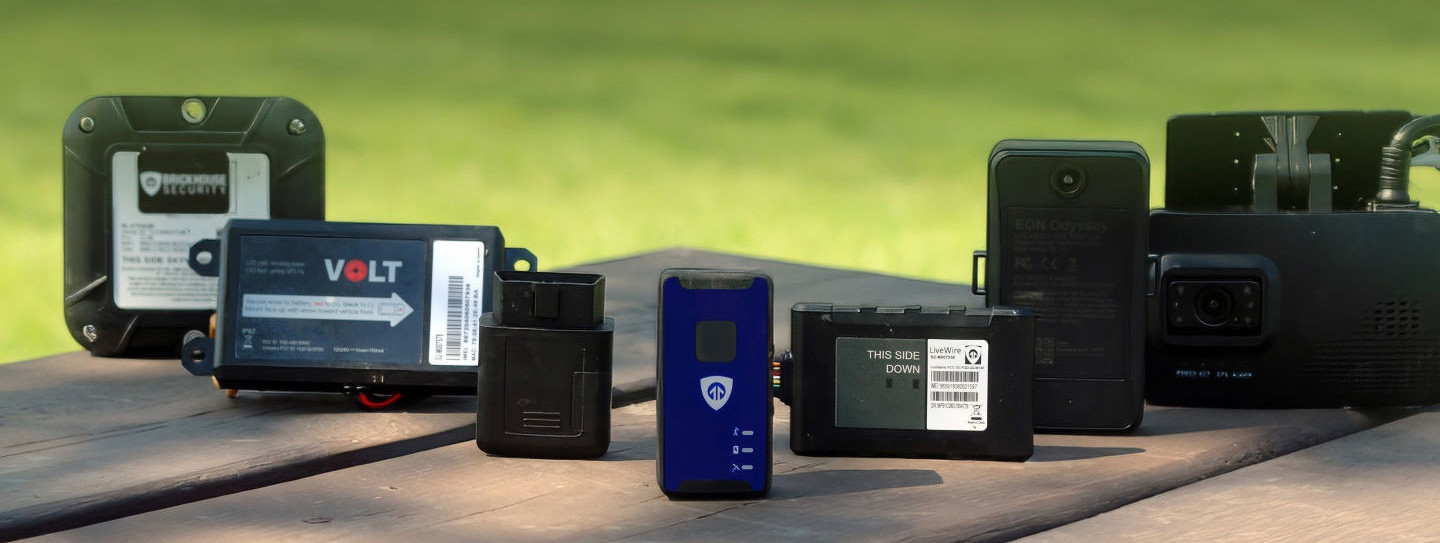
GPS tracking devices for cars come in several form factors, including compact units that attach magnetically to the underside of a vehicle, plug-in OBD trackers that draw power directly from the car's diagnostic port, and hardwired trackers that connect to the vehicle's electrical system for continuous, interruption-free tracking. Each type serves different needs, and the right car tracking device depends on your specific situation. Many customers searching for a GPS tracker for vehicles start by deciding whether they want the device permanently installed or portable enough to move between cars.
Beyond personal use, vehicle GPS trackers are widely used for fleet management, asset protection, driver safety monitoring, and business logistics. The common thread across all applications is the same: knowing where your vehicles are, where they have been, and how they are being used.
Key features of GPS trackers for vehicles
- Real-time location tracking
- Geofencing with instant alerts
- Historical route playback
- Speeding and driver behavior alerts
- Versatile mounting options (magnetic, OBD, hardwired)
- Extended battery life on portable models
- Free iOS and Android apps
- Flexible monthly or annual subscription plans
Personal Safety: GPS Car Trackers for Families
Peace of mind does not require surveillance. It requires knowing the people you care about are safe. A GPS tracker for your car gives you that reassurance without constant phone calls or worry.
- Teen driver monitoring: Parents can see their teen driver's location in real time and receive automatic alerts if the vehicle exceeds a speed limit or travels outside a preset boundary. It is not about distrust. It is about having a safety net in place for inexperienced drivers on unfamiliar roads.
- Elderly driver safety: For families supporting an elderly relative who drives, a discreet vehicle tracking device provides a quiet layer of protection, especially for loved ones managing health challenges that can affect awareness and navigation.
Business Use: GPS Tracking Devices for Fleet and Asset Management
For business owners and fleet managers, a reliable car tracker is not optional. It is the difference between running a reactive operation and a proactive one. See our full fleet management GPS tracking solutions.
- Fleet tracking: Monitor every vehicle in your fleet from a single dashboard. Optimize routing, reduce idle time, improve fuel efficiency, and hold drivers accountable to safe habits, all from your phone or desktop.
- Asset and equipment tracking: GPS tracking devices for vehicles extend beyond cars and trucks. Monitor trailers, heavy equipment, and high-value assets in the field to reduce loss and respond faster to theft.
- Employee field safety: Workers operating solo in the field can be monitored by dispatch for rapid emergency response when something goes wrong.
Choosing the Best Car Tracker for Your Needs
The GPS tracker market is crowded. Here is how to cut through it and choose the right car tracking device for your situation.
Subscription services: what you get and why it matters
Most GPS trackers for cars require a monthly or annual data plan. This is not a drawback; it is what makes the tracker functional. The subscription pays for the cellular data that transmits your location updates in real time, the network infrastructure behind it, and the ongoing software and customer support that keeps everything running. A device without a subscription plan is a device without live tracking. Our plans start at $9.95 per month with no long-term contract required.
Matching the tracker type to your application
Choosing the right GPS vehicle tracker comes down to three questions: How do you want to power it? How discreet does it need to be? And how often will you move it between vehicles?
OBD GPS trackers are the fastest to install and work well for single-vehicle monitoring, teen driver oversight, and basic fleet tracking. Hardwired GPS tracking devices for vehicles are better suited to permanent installs where you want continuous power and a hidden profile. Portable magnetic trackers are ideal when you need flexibility, when you want to move the device between vehicles, or when hardwiring is not practical. If you're looking for a tracker for a car you do not own the time on, the OBD version is the easiest entry point. If you need a reliable tracking device for a car in your fleet permanently, hardwired is the better long-term choice.
Technical considerations when comparing car trackers
Look beyond the marketing headlines. The specifications that actually matter for most car tracking applications include:
- 4G LTE cellular network connectivity for fast, reliable updates
- Real-time update frequency (30 seconds vs. 5 minutes matters for active tracking)
- Geofencing capabilities and how many zones you can set
- App availability for both iOS and Android
- OBD-II port compatibility if choosing a plug-in device
- International coverage if your vehicles cross borders
- Battery life for portable trackers (look for 30 days or more at minimum)
Other Benefits of GPS Tracking Devices for Cars
Real-time GPS location data does more than tell you where a vehicle is right now. The data it collects over time opens up a range of practical benefits.
- Vehicle recovery: Car tracking devices provide real-time GPS data that can help law enforcement locate and recover a stolen vehicle quickly. Speed matters in theft recovery, and live location data gives authorities a significant advantage. A discreet tracking device for your car can make the difference between recovery and total loss.
- Fleet management efficiency: The data from vehicle tracker devices lets fleet managers monitor driver behavior, identify inefficient routing, and make schedule changes that reduce fuel costs and overtime.
- Asset protection: GPS trackers extend beyond cars. Use them on trailers, generators, and other valuable equipment to minimize loss and theft across your operation.
- Insurance benefits: Some insurance providers offer discounts for drivers who install GPS tracking tools, which demonstrate responsible driving habits and reduce insurer risk.
- Maintenance monitoring: Vehicle tracking devices can track mileage, idle hours, and driving patterns that signal when maintenance is due. For fleet managers, this data helps prevent costly unexpected downtime.
- Emergency response: In the event of an accident, GPS tracking data can help emergency services locate a vehicle and respond faster.
Advanced features to look for in a car GPS tracker
Beyond the basics, today's GPS tracking devices for cars offer features that make monitoring more powerful and less hands-on. Geofencing lets you draw a virtual boundary on a map and receive an automatic alert the moment a vehicle crosses it, without needing to check the app constantly. Driver behavior monitoring flags speeding, harsh braking, and rapid acceleration automatically. Extended battery options on portable trackers can push battery life to 30, 60, or even 140 days between charges, which is critical for long-term covert monitoring or asset tracking in remote locations.
For tracking that needs to stay hidden, look for a compact magnetic car tracker with a weatherproof housing. BrickHouse Security's 140-Day Magnetic GPS Tracker is built specifically for this use case, combining a strong magnetic mount with a battery life that minimizes the need for access.
Installation and Maintenance of GPS Tracking Devices for Vehicles
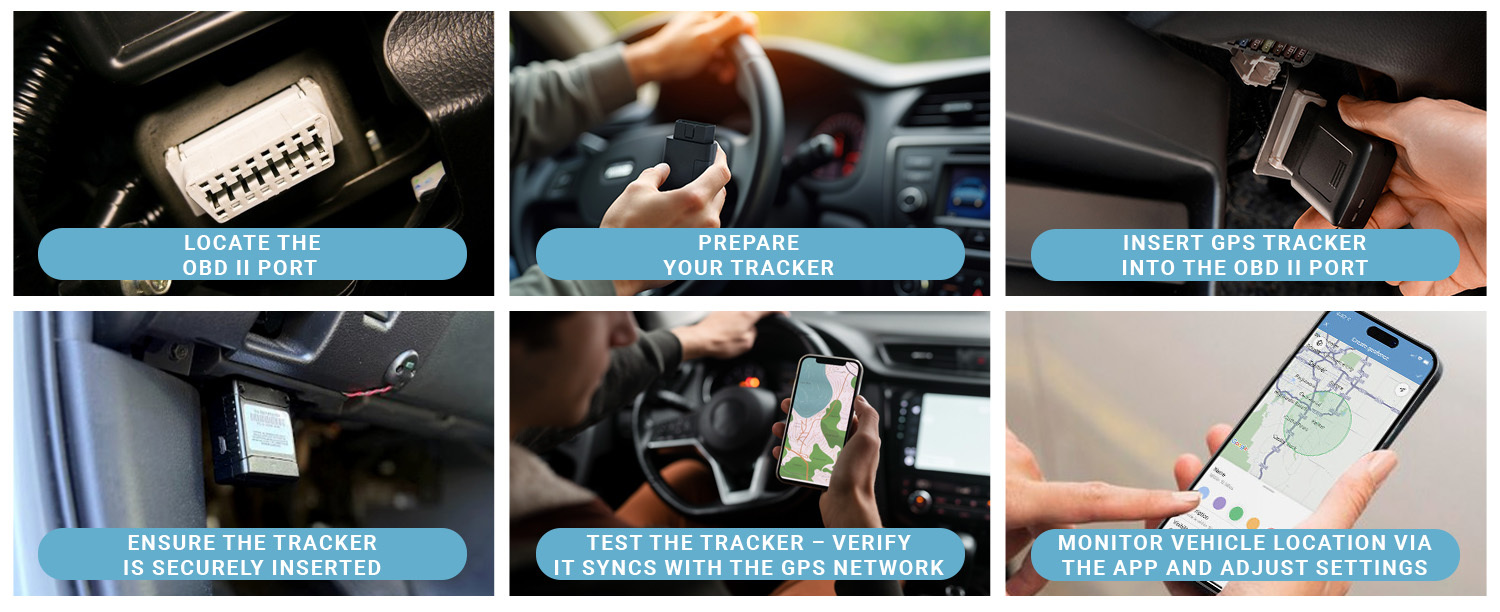
Installation varies by tracker type, but these are the core steps for any vehicle GPS tracker:
- Choose a mounting location that is close to a power source if needed, hidden from view if discretion matters, and positioned so the device does not need to transmit through multiple dense materials to get a strong signal.
- Prepare the installation area and confirm you have a secure mounting point and access to the necessary wiring if applicable.
- Complete the installation by attaching the mount and hardwiring the device according to the manufacturer's instructions.
- Test the device to confirm you're getting a strong signal and that location reporting is accurate.
- Secure any loose wiring once the device is confirmed to be working correctly.
Not comfortable with a DIY install? A local mechanic or the manufacturer's recommended installer list are both good resources. BrickHouse Security provides detailed installation guides and real human support to help you get set up correctly.
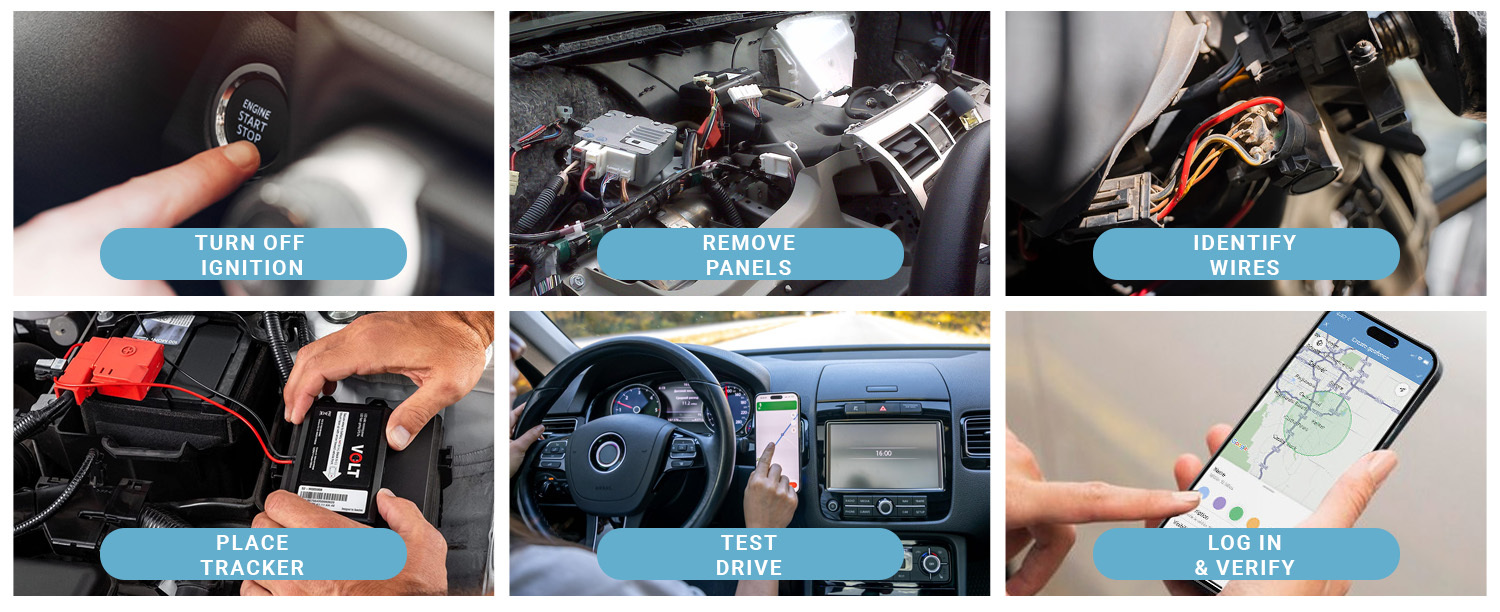
Once installed, ongoing maintenance for most GPS tracking devices for cars is minimal. Periodic checks for loose connections, a quick diagnostic to confirm accurate reporting, and ensuring the mount is still secure are all that most installations require.
Maximizing the Value of Your Car GPS Tracker
Getting the most from a vehicle tracking device comes down to how you use the data it generates. Real-time location data can help reduce insurance costs by providing insurers with accurate driving behavior information. GPS data accelerates stolen vehicle recovery by giving law enforcement a live trail to follow. And for fleet managers, the behavioral and route data from tracking devices is often the fastest path to measurable cost savings on fuel, overtime, and maintenance.
Take the time to set up geofences, configure your alerts, and review trip history regularly. If you are unsure which car tracker is the right fit for your vehicle or use case, our team is here to help. We have been doing this since 2005 and we know how to match the right device to the right situation.
GPS Tracker Learning Center
Understanding how vehicle tracking works is an important first step for new GPS tracking users. Our GPS tracker learning center is built around questions our customers have actually asked us, covering everything from placement and legality to geofencing and privacy.
The articles below cover the most common questions about vehicle tracking specifically:
- How to Place a GPS Tracker in a Car
- When is it Legal to Use a GPS Tracker on a Car?
- How to Find (and Remove) a Hidden GPS Tracker on a Vehicle
- GPS Tracking Laws Explained
- Where to Place a GPS Tracker
- The Benefits of GPS Geofencing
- GPS Trackers and Teen Driving Safety
Still have questions? Our customer support team is available during business hours for personalized guidance, device setup help, and platform troubleshooting. You can also visit our help center to search by device or issue. Whatever your tracking need, we are here to make sure you get the most out of every purchase.